
What Happened?
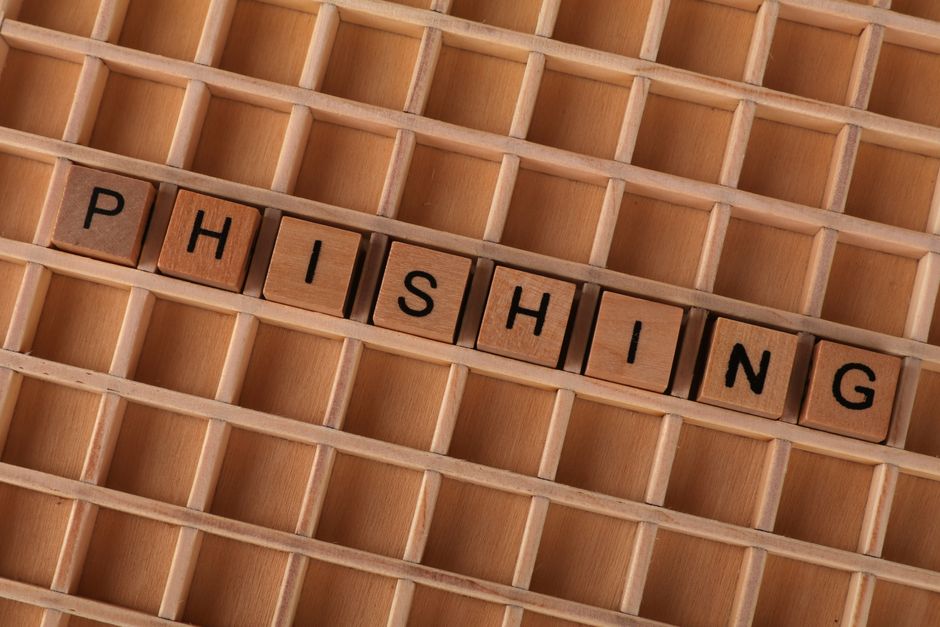
Recently, there has been a significant increase in cyberattacks targeting everyday people like you and me. These attacks often come disguised as harmless emails or messages. The fraudsters aim to trick individuals into revealing personal information, such as passwords or bank details.
In one alarming instance, a fake email appeared to be from a well-known bank. It looked official and even had the bank’s logo. However, clicking on the link led to a website designed to steal sensitive information. This incident highlights just how devious cybercriminals can be.
Why Should You Care?
Understanding these cyber threats is crucial. You might think, ‘I’m just a regular person; why would anyone target me?’ Unfortunately, cybercriminals don’t discriminate. They often cast a wide net, hoping to catch unsuspecting individuals who may not be aware of the dangers lurking online.
Consider this: your personal information can be used for identity theft, leading to stress and financial loss. Also, if you become a victim, it’s not just your data at risk; it could also affect your friends and family if they fall for similar scams. Your safety is connected to a larger web of digital security.
How to Protect Yourself
So, how can you safeguard your personal information and avoid falling victim to these scams? Here are some simple tips to keep yourself and your data safe:
- Be Skeptical of Emails: If you receive an unexpected email asking for personal information, think twice. Check the sender’s email address for unusual details.
- Look for Red Flags: Grammar mistakes, urgent language, or strange links are signs that something isn’t right.
- Verify Before You Click: If you’re unsure about an email, contact the organization directly using an official number or website.
- Use Strong Passwords: Create unique passwords for different accounts. Consider using a mix of letters, numbers, and symbols.
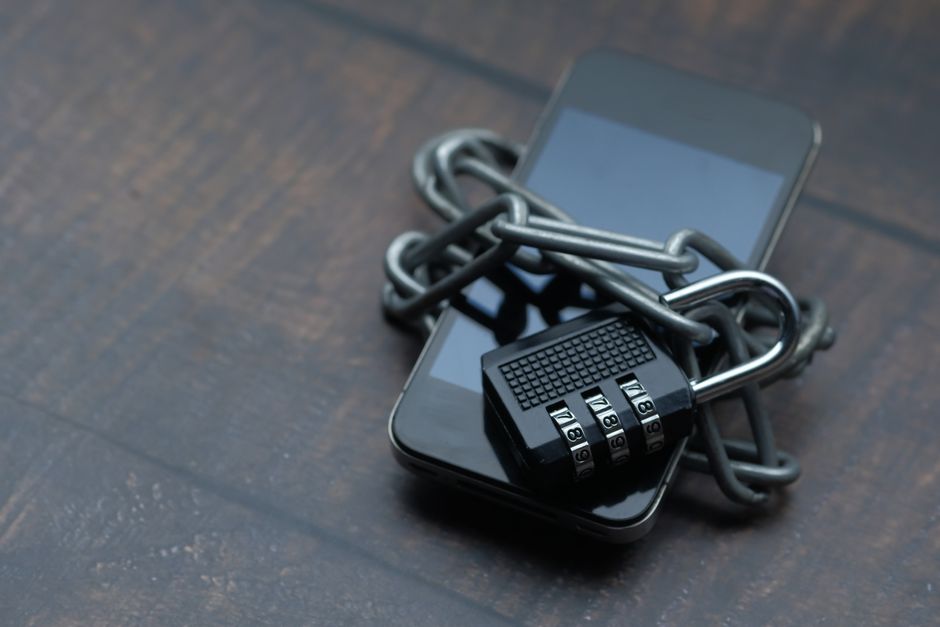
- Enable Two-Factor Authentication: This adds an extra layer of security by requiring a second form of verification, like a code sent to your phone.
- Update Regularly: Keep your software and devices updated to protect against the latest threats.
- Educate Yourself: Stay informed about new scams and cyber threats. Awareness is your best defense.
Final Thoughts
Staying safe in today’s digital world requires vigilance and knowledge. With hackers constantly finding new ways to deceive people, it’s essential to be proactive about your cybersecurity. By taking simple yet effective steps, you can protect yourself and enjoy a safer online experience. Remember, the more you know, the better prepared you are to defend against these threats.
In this age of technology, let’s not leave our safety to chance. Stay alert, educate yourself, and protect your valuable information. Together, we can minimize the impact of cybercrime on our lives and keep our digital world safer for everyone!
Source: Original Article