
Introduction
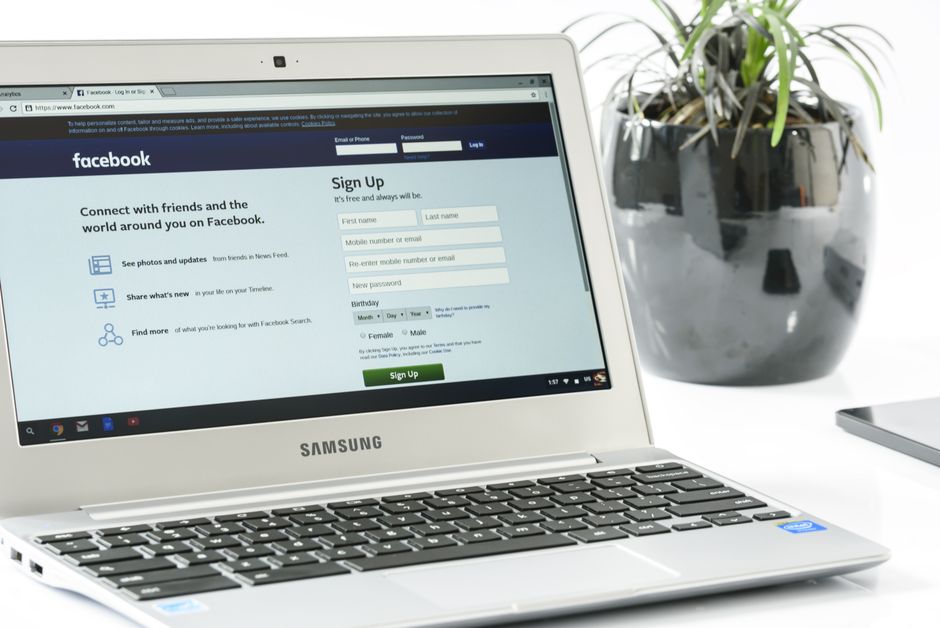
In a world where our lives are increasingly lived online, online privacy has become more important than ever. From shopping and banking to social media and email, we share a lot of personal information daily. But how safe is this information?
What is Online Privacy?
Online privacy refers to the protection of your personal information when you use the internet. This includes everything from your search history and social media posts to your email messages and banking details. Keeping this information private is essential for protecting yourself from identity theft and other cyber threats.
Why Should You Care?
You might be wondering why online privacy matters. The truth is, when your information is not protected, it can fall into the wrong hands. Here are a few reasons to care about your online privacy:
- Identity Theft: If someone gets access to your personal information, they can impersonate you and cause significant damage.
- Financial Fraud: Hackers can use your banking details to steal money or make unauthorized purchases.
- Data Breaches: Companies can experience data breaches, exposing your information to cybercriminals.
Common Threats to Your Online Privacy
There are several threats that can put your online privacy at risk. Knowing these threats can help you take precautions. Here are some of the common threats:
- Phishing: This involves fake emails or messages that trick you into giving away personal information.
- Malware: Malicious software can infect your device, allowing hackers to steal your data.
- Public Wi-Fi: Using unsecured public networks can expose your personal information to cybercriminals.
How to Protect Your Online Privacy
Protecting your online privacy doesn’t have to be complicated. Here are some simple steps you can take to enhance your privacy:
- Use Strong Passwords: Create unique and complex passwords for your accounts. Consider using a password manager to help.
- Enable Two-Factor Authentication: This adds an extra layer of security by requiring a second form of identification.
- Be Careful with Public Wi-Fi: Avoid accessing sensitive information when connected to public networks.
- Use a VPN: A Virtual Private Network can help encrypt your internet connection, keeping your data safe from prying eyes.
What is a VPN?
A VPN, or Virtual Private Network, is a service that creates a secure connection over the internet. When you use a VPN, your data is encrypted, which means it is much harder for hackers to intercept your information.
Choosing the Right VPN
Not all VPNs are created equal. When selecting a VPN, consider the following factors:
- Security Features: Look for VPNs that offer strong encryption and no-logs policies.
- Speed: Ensure the VPN does not slow down your internet significantly.
- Device Compatibility: Check if the VPN works on your devices (smartphones, tablets, computers).
Conclusion
Online privacy is something everyone should prioritize. By understanding the risks and taking simple measures, you can protect yourself from potential threats. Start today by thinking about your online habits and how you can tighten your privacy. Remember, a little caution can go a long way in keeping your personal information safe!