What Happened?
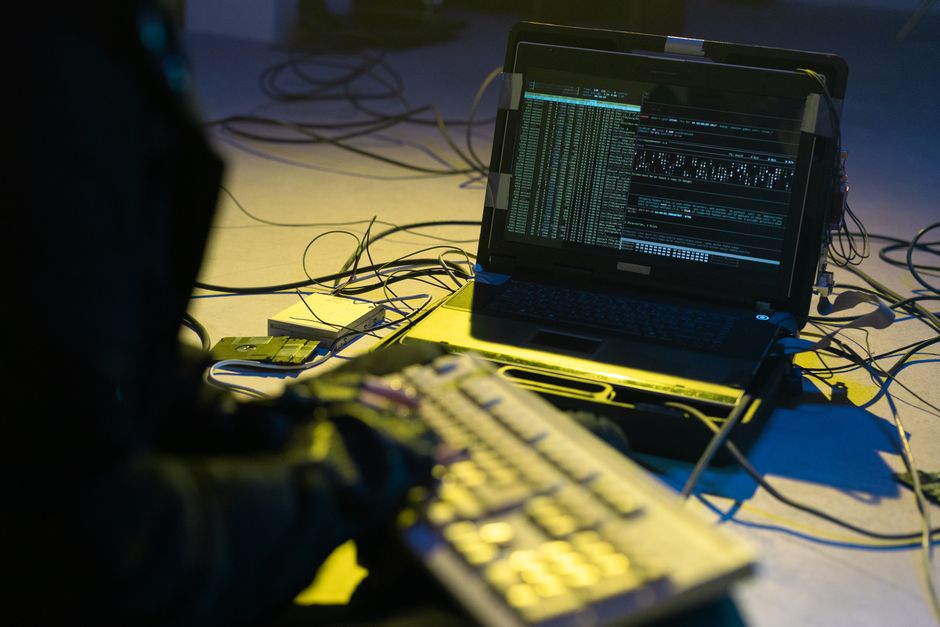
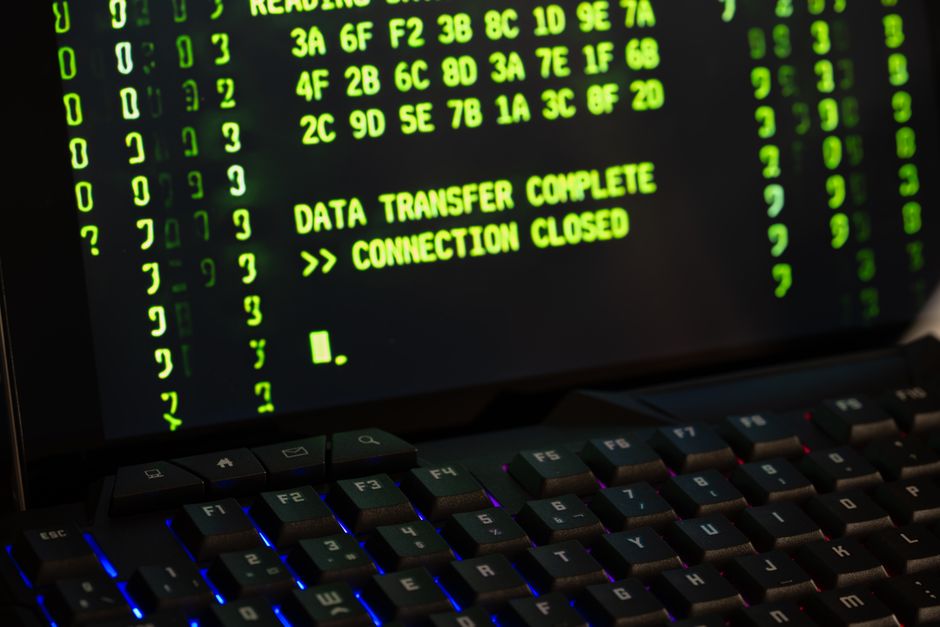
Recently, there was a significant cyberattack that affected thousands of people. This attack involved criminals using malicious software, which is often called malware, to gain access to personal information. Many people were left wondering how their data could be at risk and what they could do to protect themselves.
The hackers behind this attack targeted various online platforms, aiming to steal sensitive information like passwords, credit card details, and personal messages. Unfortunately, many of us might not even realize that we’re at risk when we use the internet every day. This alarming event serves as a reminder that keeping our personal data safe should be a top priority.
Why Should You Care?
You might be thinking, “This sounds scary, but does it really affect me?” The truth is, cyberattacks like this can have serious consequences for anyone who uses the internet. When hackers gain access to your information, they can do a lot of damage:
- Identity Theft: Hackers can impersonate you and make unauthorized purchases.
- Financial Loss: Personal information can lead to drained bank accounts or unexpected bills.
- Emotional Stress: Dealing with the aftermath of a cyberattack can be overwhelming and stressful.
These threats are becoming increasingly common, and they can happen to anyone. That’s why it’s crucial to stay informed about these risks and how to protect yourself.
How to Protect Yourself
Feeling unsettled? Don’t worry! There are several simple steps you can take to help keep your data safe from cyber threats:
- Use Strong Passwords: Create complex passwords that mix letters, numbers, and symbols. Avoid using easily guessable information like birthdays or names.
- Enable Two-Factor Authentication: This adds an extra layer of security. Even if a hacker gets your password, they would still need a second form of verification to access your account.
- Be Cautious with Links: Before clicking on links in emails or messages, double-check who sent them. Hackers often use phishing attempts to trick you into giving away your information.
- Keep Software Updated: Regular updates help patch vulnerabilities that might be exploited by hackers.
- Use a VPN: A Virtual Private Network can help secure your online activity, especially when using public Wi-Fi.
Implementing these measures can significantly reduce your risk of falling victim to a cyberattack.
Final Thoughts
Staying safe online is more crucial than ever. As cyber threats continue to evolve, we must remain vigilant and proactive about our online security. Understanding the risks and taking simple preventative measures can help protect your personal information from falling into the wrong hands. Remember, being informed is your best defense!
Source: Original Article