
What Happened?
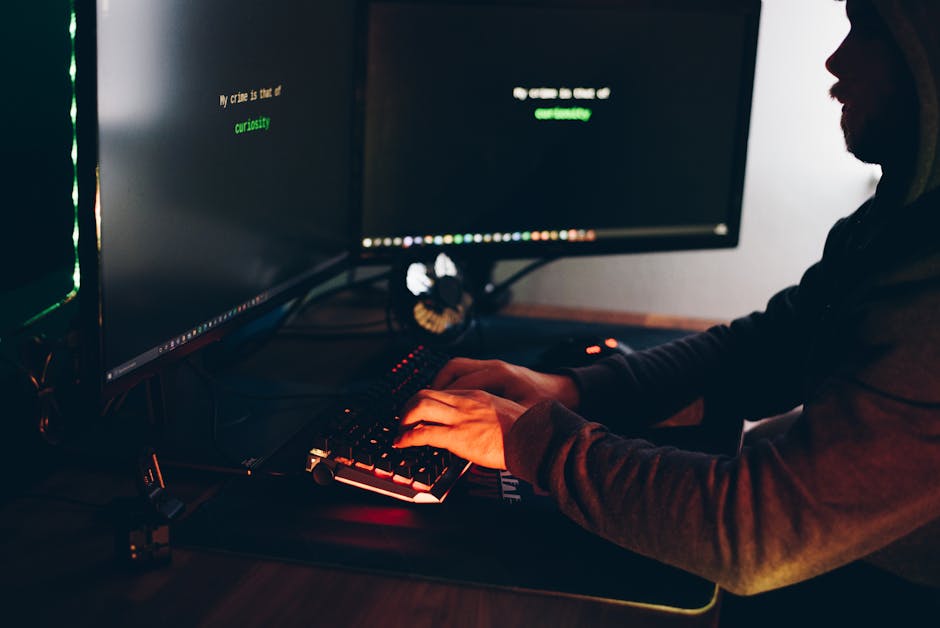
Recently, a series of cyber attacks targeting small businesses have raised alarms across the internet. These attacks involve hackers sending phishing emails designed to look harmless but are actually traps intended to steal sensitive information like passwords and financial data.
In one of the most alarming incidents, attackers impersonated well-known companies to trick employees into clicking on malicious links. Once someone clicked the link, malware was installed on their system. This malware can allow hackers to access personal details, banking information, and even sensitive corporate data.
Why Should You Care?
You might be wondering why this is relevant to you. Well, cyber attacks are not just aimed at large corporations; small businesses, freelancers, and even regular individuals are also targets. So, if you think it won’t happen to you, think again. Cybercriminals often look for easy prey, and that could easily include your email or social media accounts.
In 2022 alone, over 700,000 phishing complaints were reported by people all over the country. That’s just a tiny fraction of what actually happens. Many cases go unreported or unnoticed until it’s too late.
How to Protect Yourself
Staying safe online doesn’t require a degree in computer science. Here are some simple steps you can take to protect yourself:
- Be Skeptical of Links: Always be careful about clicking on links in emails, especially if they come from unknown sources. If it seems fishy, it probably is.
- Check Email Addresses: Even if an email looks legitimate, check the sender’s address. Often, attackers use addresses that look similar to real ones, but they have small differences.
- Hover Before You Click: If you receive a link, hover over it with your mouse (without clicking). This will show you the actual website it leads to, and you can verify if it’s safe.
- Use Two-Factor Authentication: Whenever possible, turn on two-factor authentication for your online accounts. This adds an extra layer of security, making it harder for hackers to access your information.
- Keep Software Updated: Regularly update your operating system, browsers, and security software. Cybercriminals often exploit vulnerabilities in outdated software.
Final Thoughts
Cybersecurity might sound complex and daunting, but protecting yourself online can be straightforward if you take some basic precautions. The recent surge in phishing attacks serves as a reminder that vigilance is key. Always ask yourself: ‘Is this link safe to click?’ If in doubt, don’t hesitate to verify before acting.
Your online safety is in your hands! Remember, enjoying the convenience of the internet comes with responsibility. Stay informed, and you’ll greatly reduce the risk of becoming another victim of cybercrime.
Source: Original Article