
What Happened?
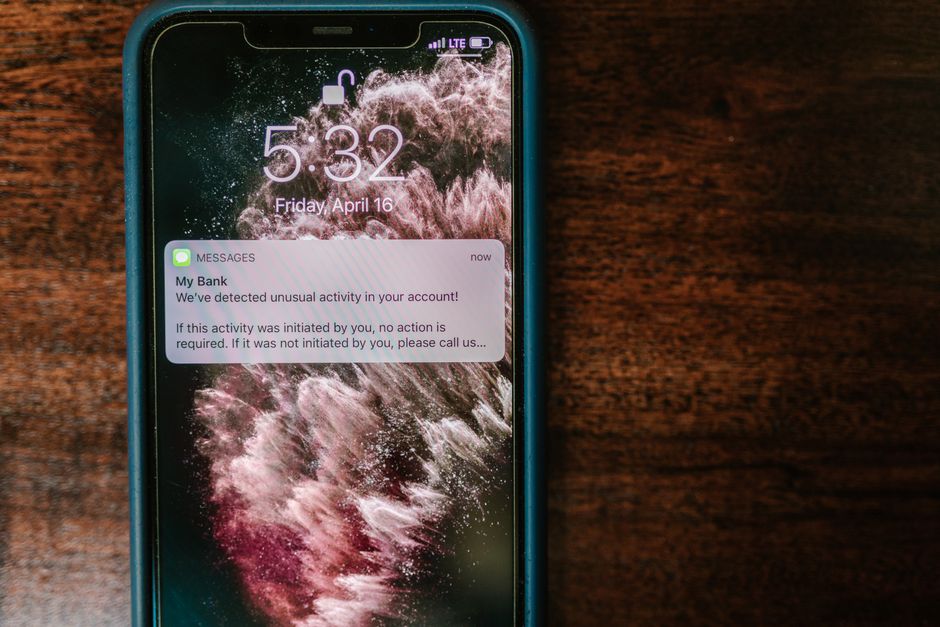
Recently, there has been a noticeable surge in phishing scams that use fake messages to deceive people. These scams often appear to be from trusted sources, like your bank or well-known companies, trying to trick you into giving away personal information.
In these fake messages, scammers typically request sensitive data, like passwords or credit card details. They might even include links that look legitimate but actually lead to dangerous websites designed to steal your information.
Why Should You Care?
Phishing attacks can have serious consequences. If you fall for one, your personal information could be misused, leading to identity theft and financial loss. Every year, millions of people become victims of these scams, resulting in financial damages that can be devastating.
Moreover, as technology evolves, these scams are becoming more sophisticated. This means it’s crucial for everyone—whether you’re tech-savvy or not—to stay aware and informed about these threats.
How to Protect Yourself
- Be Skeptical of Unsolicited Messages: If you receive a message that asks for personal information, pause and think. Legitimate companies rarely ask for sensitive details through email or text.
- Check the Sender’s Information: Look closely at the email address or the phone number. Scammers often use addresses that seem similar but have slight differences from the real ones.
- Avoid Clicking on Links: If a message contains a link, it’s safer not to click it. Instead, go directly to the company’s official website by typing the URL into your browser.
- Keep Your Software Updated: Regular updates to your devices and applications help protect against security vulnerabilities that scammers could exploit.
- Use Two-Factor Authentication: Whenever possible, enable two-factor authentication on your accounts. This adds an extra layer of security, making it harder for hackers to access your information.
- Educate Yourself and Others: Stay informed about current scams and share this knowledge with friends and family. Awareness is one of the best defenses against phishing attempts.
Final Thoughts
While phishing scams can seem daunting, understanding them is the first step toward staying safe. Always be cautious and think twice before sharing your personal information. Remember, an informed user is a secure user. Stay vigilant, protect your data, and don’t let scammers win!
Source: Original Article