What Happened?
Recently, a wave of scams has been hitting the internet, targeting individuals around the globe. Cybercriminals have come up with a tricky method to steal personal information by posing as trusted sources or services. These scams often come in the form of emails, messages, or even phone calls that seem legitimate but are designed to trick you into giving up sensitive data.
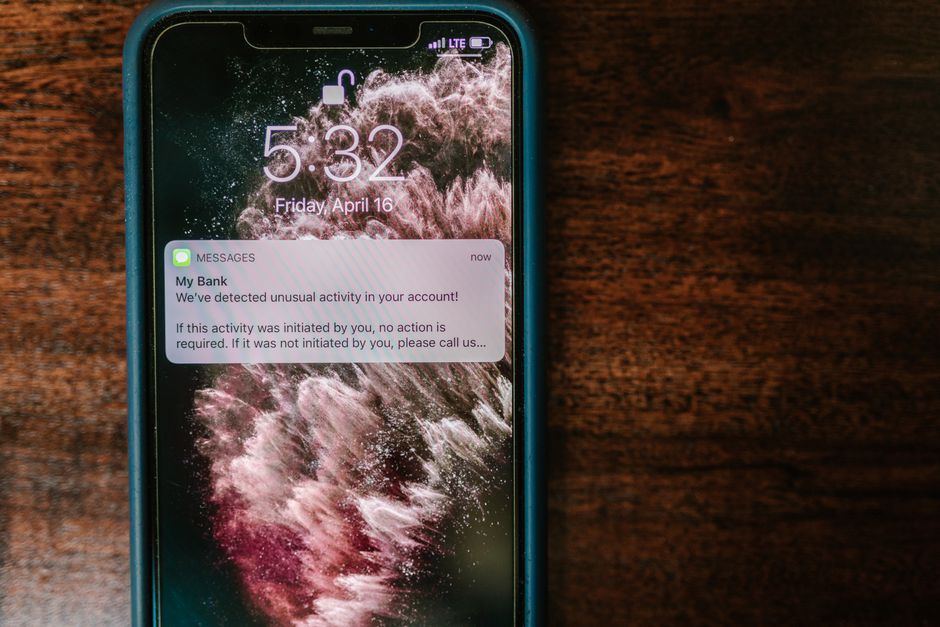
Many people have reported receiving messages that appear to be from banks, government agencies, or well-known companies. The fraudsters create realistic-looking communication that can make anyone second-guess their instincts. They often ask you to click a link or provide personal details, which can lead to serious consequences if you fall for it.
Why Should You Care?
You might wonder, why do these scams matter to you? First and foremost, they can lead to identity theft. This occurs when someone uses your personal information without your permission to commit fraud. Imagine someone opening credit cards in your name or draining your bank account—scary, right?
Moreover, these scams can affect anyone, no matter how tech-savvy you think you are. In fact, more and more people are becoming victims due to increasingly convincing tactics used by cybercriminals. Understanding these threats can help you safeguard your personal information and protect yourself from these malicious acts.
How to Protect Yourself
- Be Skeptical: Always question the authenticity of any unexpected messages you receive. If something feels off, trust your instincts and verify through official channels.
- Don’t Click Links: Avoid clicking on links or downloading attachments from questionable emails or texts. Instead, visit the official website directly through your browser.
- Use Strong Passwords: Make sure your passwords are hard to guess. Combine letters, numbers, and special characters to create a more secure password.
- Enable Two-Factor Authentication: Whenever possible, turn on two-factor authentication. This adds an extra layer of security by requiring a second form of verification besides just your password.
- Educate Yourself: Stay informed about the latest scams and how they operate. Knowledge is your best defense against these types of fraud.
Final Thoughts
In this digital age, staying safe online is more important than ever. By being aware of the tactics used by cybercriminals and taking steps to protect your personal information, you can significantly reduce your risk of becoming a victim. Remember, if something seems too good to be true or feels suspicious, it probably is. Always err on the side of caution and don’t hesitate to seek help if you feel overwhelmed or unsure.
Source: Original Article