
What Happened?
Recently, cybersecurity experts discovered a dangerous type of software called malware that has been causing chaos worldwide. This malware is not just any software; it’s designed to steal your personal information without you even realizing it! Imagine your private data like passwords, bank details, or even photos being accessed by someone without your consent. That’s the serious threat we are facing today.
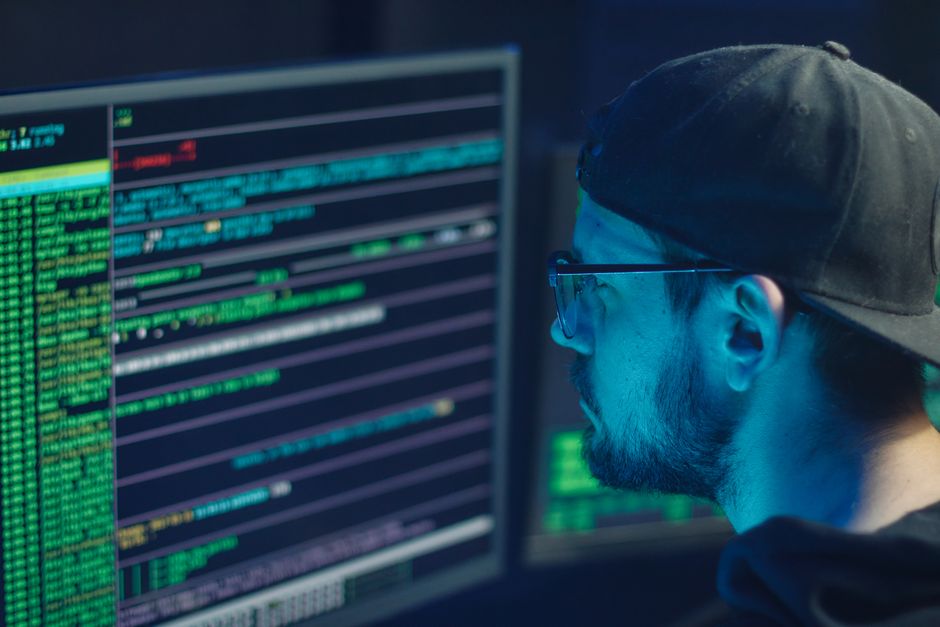
What’s alarming is how this malware operates. It can infiltrate your devices through seemingly harmless downloads or links. Once it’s inside, it works silently in the background, collecting data that could be very sensitive. It’s like an uninvited guest rummaging through your belongings while you’re not looking!
Why Should You Care?
You may think, “I’m careful on the internet; this won’t affect me.” But the truth is, many people believe they’re safe until it’s too late. Cybercriminals are becoming smarter and are always finding new ways to trick you into giving up your information. It’s vital to understand that anyone can be a target, regardless of their tech skills.
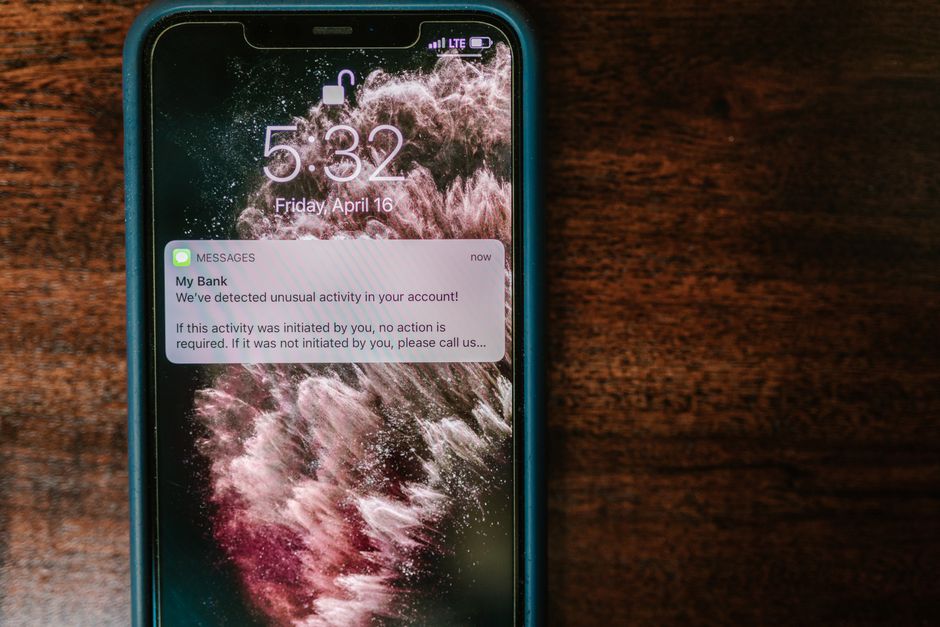
Every time you use your computer or smartphone, there’s a risk involved. If this malware gets your personal details, it can lead to identity theft, financial loss, and a whole lot of stress. For instance, if someone gets access to your bank information, they could drain your account or make unauthorized purchases. It’s not just about money; it’s about peace of mind.
How to Protect Yourself
So, what can you do to stay safe? Here are some essential steps you can take:
- Be Wary of Downloads: Only download software from trusted websites. If something feels off, it probably is!
- Keep Your Software Updated: Make sure your operating system and all your apps are up-to-date. Updates often include security patches that can protect you from new threats.
- Use Strong Passwords: Create complex passwords that mix letters, numbers, and symbols. Avoid using the same password for different sites.
- Enable Two-Factor Authentication: This adds an extra layer of security. Even if someone gets your password, they won’t be able to access your accounts without your second form of verification.
- Be Cautious with Links: Don’t click on suspicious links in emails or texts, even if they appear to come from someone you know. Always verify with the sender first.
- Run Antivirus Software: Install a reputable antivirus program that can help detect and remove malware before it causes damage.
Final Thoughts
Staying safe in this digital age requires awareness and action. The threat of malware is real, but with the right precautions, you can protect yourself and your information. Remember, it’s always better to be proactive than reactive!
So, take a moment to review your online safety habits. Keeping your personal information secure is absolutely crucial! If you ever feel unsure about something online, don’t hesitate to reach out to someone who can help. Together, we can make the internet a safer place for everyone.
Source: Original Article