What Happened?
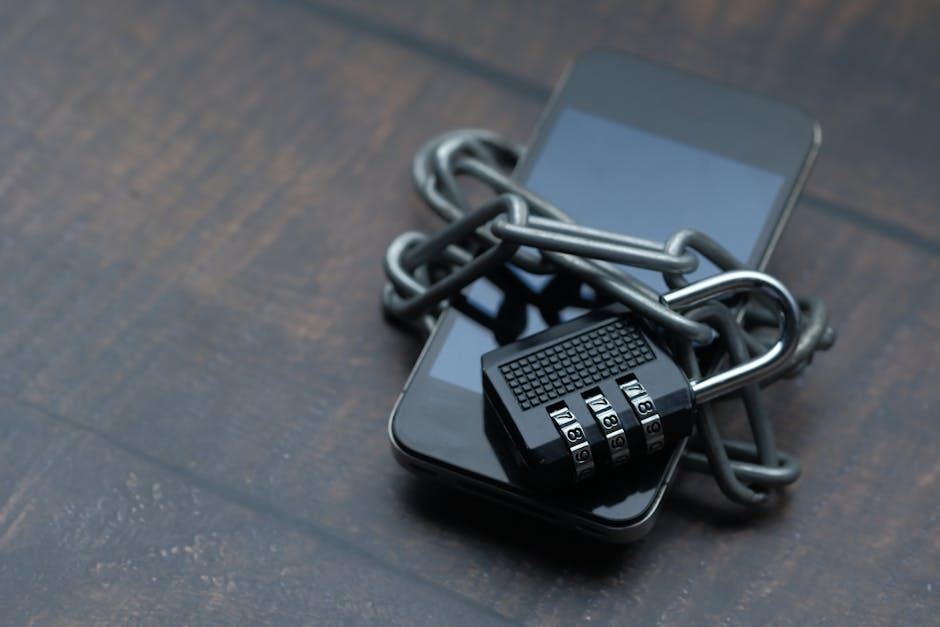
Recently, a significant cyber breach came to light involving a large company that experienced a ransomware attack. This type of attack occurs when hackers gain access to a company’s systems, encrypt important files, and then demand payment to restore access. In this case, personal data of customers was compromised, raising alarms about potential identity theft and other online dangers.
The hackers not only encrypted data but also stole sensitive information such as names, addresses, and payment card details. This breach has left many customers worried about the safety of their personal information and whether they are at risk of fraud.
Why Should You Care?
You might be wondering why this matters to you. Well, you could be directly affected if your information was involved in this breach. Even if you weren’t a customer of the company, breaches like these can lead to a ripple effect that impacts many people.
When hackers get their hands on personal information, they can misuse it in various ways, including:
- Identity Theft: Someone could impersonate you to access your bank accounts or open new credit cards in your name.
- Financial Fraud: Your payment information could be used for unauthorized purchases, draining your accounts.
- Phishing Scams: Hackers might use stolen data to create convincing scams that trick you into giving up even more personal information.
This makes it very important to pay attention to cybersecurity news and understand how to protect your personal information.
How to Protect Yourself
While it may feel overwhelming, there are steps you can take to protect yourself from becoming a victim of cybercrime:
- Change Your Passwords: If you have accounts with the company that was breached, change those passwords immediately. Use strong, unique passwords for each account and consider using a password manager.
- Enable Two-Factor Authentication: Wherever possible, activate two-factor authentication for your online accounts. This adds an extra layer of security, requiring a second form of identification, like a code sent to your phone.
- Monitor Your Accounts: Keep a close eye on your bank statements and credit reports. Look for any unusual activity, and report anything suspicious immediately.
- Be Aware of Phishing Attempts: Be cautious of emails or texts asking for personal information, especially if they appear to be from the breached company. Always verify the source before clicking on links or providing any details.
Implementing these precautions can greatly reduce your risk of falling victim to cybercrime.
Final Thoughts
Cybersecurity can seem complex, but it’s essential to understand the basics to protect yourself effectively. With cyber threats becoming more common, being proactive about your digital safety is more important than ever.
Stay informed about any breaches that might impact you and always prioritize your online security. By taking simple, proactive measures, you can help safeguard your personal information from malicious actors.
Source: Original Article