What Happened?
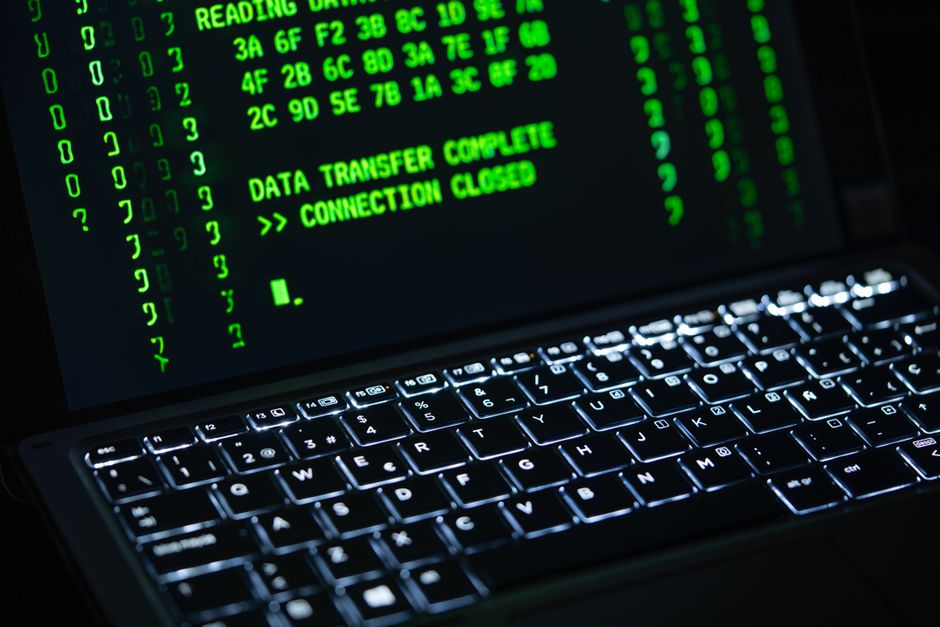
In today’s digital world, we rely heavily on technology for almost everything we do. From online shopping to social media, it’s hard to imagine life without the internet. However, this convenience comes with risks. Recently, a major data breach was reported, exposing millions of people’s personal information.
This incident has highlighted the vulnerabilities that exist in our everyday online activities. Hackers are always on the lookout for ways to exploit weaknesses, and this time they hit a well-known company that people trust. This event serves as a stark reminder that we must stay vigilant to keep our details safe.
Why Should You Care?
You might be wondering why this breach matters to you. The truth is, if you use the internet, you could be affected. Personal data like your name, email address, phone number, and even financial information could be at risk.
When hackers gain access to sensitive information, they can use it in various ways, including:
- Identity theft: This happens when someone uses your information to impersonate you, which can lead to fraudulent activities.
- Financial fraud: Hackers can access your bank accounts or credit cards and steal money.
- Spam and phishing attacks: Your personal details might be sold to other cybercriminals who can bombard you with unsolicited emails or attempts to steal even more information.
Understanding the consequences of such breaches makes it clear why it’s essential to take cybersecurity seriously. No one wants to be a victim, and being informed is the first step in protecting yourself.
How to Protect Yourself
Now that you know the risks, let’s discuss some practical steps you can take to safeguard your personal information. Protecting yourself online doesn’t have to be complicated. Here are some straightforward tips:
- Use Strong Passwords: Avoid simple passwords like “123456” or “password.” Instead, create unique passwords that combine letters, numbers, and symbols. Consider using a password manager to keep track of them.
- Enable Two-Factor Authentication (2FA): This adds an extra layer of security. With 2FA, even if someone gets your password, they will still need a second form of verification (like a code sent to your phone) to access your account.
- Be Careful with Public Wi-Fi: When using public Wi-Fi, avoid accessing sensitive information like bank accounts. Use a Virtual Private Network (VPN) for an extra layer of security when connecting to these networks.
- Update Your Software: Regularly updating your operating system and applications ensures that you have the latest security patches. Cybercriminals often exploit outdated software.
- Monitor Your Accounts: Keep an eye on your bank and credit card statements for any unauthorized transactions. The sooner you notice something unusual, the quicker you can act.
By implementing these practices, you can take significant strides towards enhancing your online security. Remember, being proactive is key!
Final Thoughts
In a world where cyber threats are increasingly common, staying informed and vigilant is crucial. The recent data breach serves as a wake-up call for all of us. It reminds us that our personal information is valuable and that we need to protect it.
By taking simple yet effective steps to enhance your cybersecurity, you can enjoy the benefits of technology with greater peace of mind. Let’s face it, the internet is not going away anytime soon, so let’s be smart about how we use it. Stay safe online, everyone!
Source: Original Article