
What Happened?
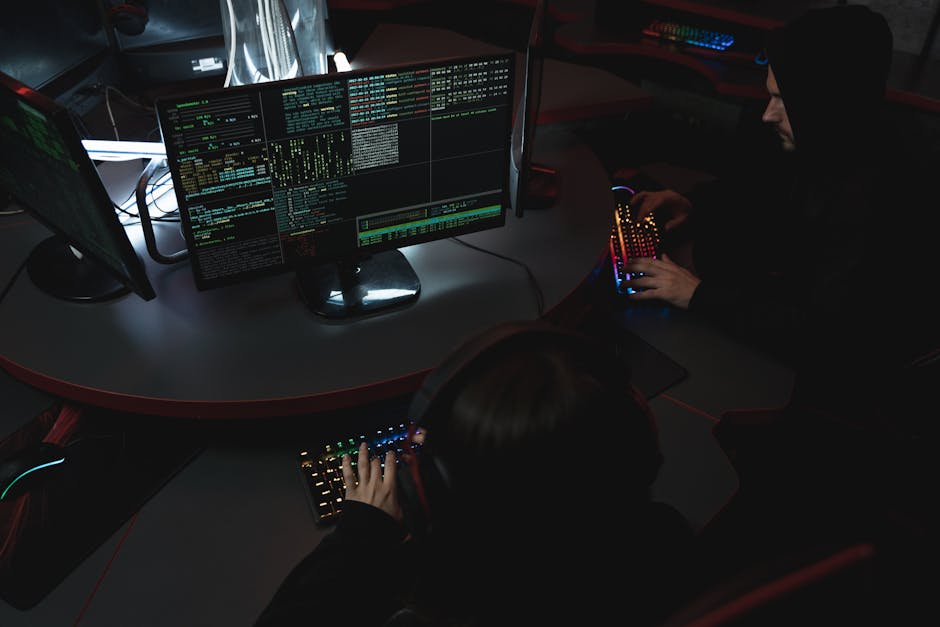
Recently, a major cyberattack targeted a well-known company, leaving many of its customers anxious about the safety of their personal information. This attack, which involved *malicious hackers* breaching the company’s security, has resulted in the theft of sensitive data. This incident has raised alarms about how vulnerable we all are in today’s digital world.
Such breaches can affect various aspects of life, from our shopping habits to banking safety. The attackers managed to exploit weaknesses in the company’s systems, demonstrating just how easily they can infiltrate even big organizations.
Why Should You Care?
You may wonder why this event matters to you personally. Well, *cybersecurity threats* do not discriminate. They can impact anyone—whether you’re an active online shopper or simply someone with an email address. If your personal data gets into the wrong hands, it could be misused in several ways, including identity theft.
When a company suffers a breach, customers’ sensitive details like names, addresses, and sometimes even financial information can be compromised. This is where the potential for *fraud* comes into play. Cybercriminals can create fake accounts or make unauthorized purchases using your information, leading to a world of trouble.
How to Protect Yourself
Fortunately, there are steps you can take to safeguard your information. Here are some practical tips to follow:
- Change Your Passwords Regularly: Make it a habit to update your passwords every few months. Use complex combinations of letters, numbers, and special characters to make them harder to guess.
- Enable Two-Factor Authentication: Whenever possible, use this feature. It adds an extra layer of security by requiring not just your password, but also a code sent to your phone.
- Monitor Your Accounts: Keep a close eye on your bank and credit card statements regularly. Look out for any unfamiliar transactions and report them immediately.
- Beware of Phishing Scams: Be cautious when clicking on links in emails or messages, especially if they seem suspicious. Always verify the sender before engaging.
- Use a VPN: A *Virtual Private Network (VPN)* can help protect your online activity, especially when using public Wi-Fi networks.
Final Thoughts
Cybersecurity might seem overwhelming, but staying informed is your first line of defense. While companies need to enhance their security measures, you play a crucial role in protecting your own information. By taking simple yet effective steps, you can significantly reduce your risk of becoming a victim.
Remember, the digital world is evolving rapidly, and so are the threats. Being proactive about your *online security* can make a big difference. Don’t let fear control your online activities; instead, take charge and stay safe!
Source: Original Article