What Happened?
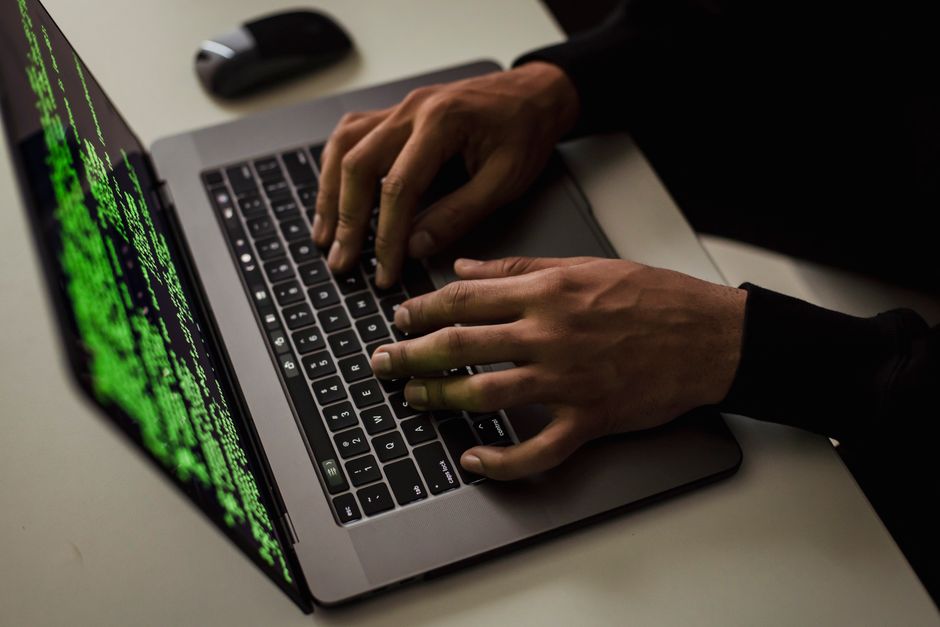
Recently, we’ve witnessed a surge in cyber attacks that are targeting everyday folks like you and me. These attacks are often carried out through phishing emails and malicious software, aiming to steal personal information or disrupt our lives in some way. It might sound alarming, but understanding the situation can help us respond effectively.
The attackers are becoming more sophisticated, using advanced techniques to trick us into opening emails or clicking on links that look legitimate. When we do, we might unintentionally give them access to our sensitive information, such as bank details or passwords.
Why Should You Care?
You might wonder why this matters to you. Well, cybercrime is on the rise, and it can affect anyone, regardless of their tech skills. Just imagine waking up one day to find your bank account drained or your personal information splashed across the internet. That’s a nightmare no one wants to have.
Every time we go online, we expose ourselves to potential threats. Cybercriminals are always looking for new ways to sneak into our lives. By staying informed, we can protect ourselves and make smarter choices while browsing the web.
How to Protect Yourself
Luckily, there are several straightforward steps you can take to defend yourself against these online threats:
- Be Skeptical of Emails: Always check the sender’s email address and be cautious with attachments or links, especially if they seem suspicious.
- Enable Two-Factor Authentication: This adds an extra layer of security when logging into accounts, making it harder for attackers to break in.
- Keep Your Software Updated: Regular updates on your devices can fix security vulnerabilities that cybercriminals might exploit.
- Use Strong Passwords: Create unique, complex passwords for each account. Consider using a password manager to keep track of them.
- Educate Yourself: Stay informed about the latest scams and threats. Knowledge is your best defense.
Final Thoughts
The rise in cyber attacks is a sign of our increasingly digital world. While it might seem overwhelming, we have the power to protect ourselves by being vigilant and informed. Simple precautions can go a long way in keeping your information safe.
So, take a moment to check your online habits. Are you being cautious enough? By following the advice laid out here, you can enjoy your time online without unnecessary fear.
Source: Original Article