What Happened?
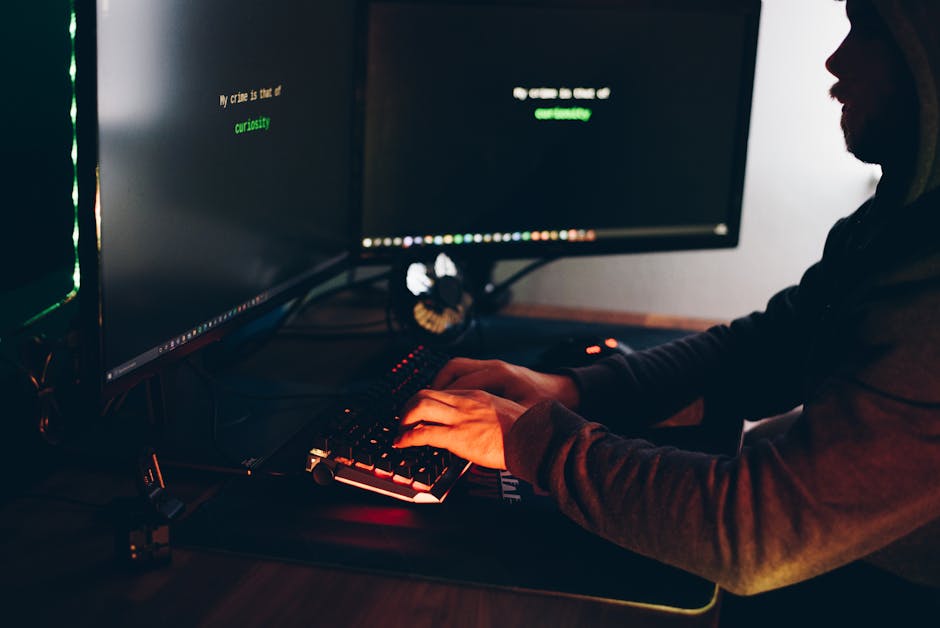
In recent news, several major companies revealed that they had fallen victim to cyberattacks, causing serious concerns about the security of your personal information. These incidents have been linked to hackers who are increasingly sophisticated in their tactics. They are targeting everyday individuals, stealing sensitive data like names, addresses, and even financial details.
These breaches affect various sectors, including finance, healthcare, and online retail. As a result, millions of people may be at risk, and it has raised alarms about how safe our personal data really is.
Why Should You Care?
You might wonder why this is important to you. Well, if your personal information falls into the wrong hands, it could lead to identity theft. This is when someone pretends to be you to open accounts, rack up debt, or perform other fraudulent activities. Identity theft can take a long time to resolve and can affect your credit score.
Additionally, beyond just the financial risks, there’s the emotional stress that comes with dealing with such breaches. Imagine having your private information widely exposed! This breach of privacy can be unsettling and impact your daily life.
How to Protect Yourself
- Use Strong Passwords: Always create passwords that are difficult to guess. Combine letters, numbers, and symbols to make them unique.
- Enable Two-Factor Authentication: This adds an extra layer of security. Even if someone gets your password, they won’t be able to access your account without a second verification method.
- Monitor Your Accounts Regularly: Check your bank and credit card statements often. Look for unfamiliar transactions and report them immediately.
- Be Cautious About Sharing Information: Only provide personal information when absolutely necessary. Be wary of unsolicited requests for your data.
- Keep Software Up to Date: Regular updates to your computer, smartphone, and apps can fix vulnerabilities that hackers exploit.
- Use a VPN: A Virtual Private Network can secure your internet connection, making it harder for hackers to intercept your data.
Final Thoughts
The rise in cyberattacks is alarming, but there are steps you can take to protect yourself. Awareness is your first line of defense. By understanding the risks and implementing smart security practices, you can help keep your personal information safe. Stay informed, stay vigilant, and remember that a little caution goes a long way in the digital world.
Source: Original Article