Introduction
Password security is more important than ever in our digital age. With so much of our lives online, strong passwords are your first line of defense against cyberattacks. Unfortunately, many people still use weak passwords that put their accounts at risk.
Why Strong Passwords Matter
Your password is like a key to your personal information. If someone gets hold of your password, they can access everything from your social media accounts to your bank details. Weak passwords are often the easiest targets for hackers, making it crucial to create ones that are difficult to guess.
Common Mistakes in Password Creation
Many people make the same common mistakes when creating passwords:
- Using personal information. Your name, birthday, or even your pet’s name can be easily guessed or found online.
- Simple sequences. Passwords like “123456” or “password” are often the first guesses a hacker will make.
- Reusing passwords. Using the same password across multiple sites increases vulnerability. If one site is compromised, all your accounts are at risk.
Tips for Creating Strong Passwords
So, what makes a strong password? Here are some simple yet effective tips:
- Length matters: Aim for at least 12 characters. Longer passwords are harder to crack.
- Mix it up: Combine uppercase and lowercase letters, numbers, and symbols.
- Avoid obvious choices: Stay away from easily guessed words or sequences.
- Use phrases: A passphrase made up of random words can be both memorable and strong.
- Consider a password manager: These tools can help you generate and store complex passwords securely.
How to Remember Your Passwords
Even with strong passwords, it can be challenging to remember them all. Here are a few tips to help:
- Write them down securely: If you must write down your password, keep it in a safe place, not next to your computer.
- Create a memory trick: Use mnemonics or acronyms to help you remember.
- Change passwords regularly: Refresh your passwords every few months for added security.
The Role of Two-Factor Authentication
Even with a strong password, it’s a good idea to enable two-factor authentication (2FA) whenever possible. This adds an extra layer of security by requiring not just your password, but also a code sent to your phone or email. It’s a hassle-free way to protect your accounts.
Keep Your Passwords Safe
In addition to creating strong passwords, you need to keep them safe:
- Watch for phishing attempts: Be cautious of emails or messages asking for your password.
- Use secure connections: Always access your accounts over a secure connection (look for “https” in the URL).
- Log out of accounts: Don’t leave accounts open on shared or public computers.
Signs Your Password May Be Compromised
It’s essential to be vigilant about your account’s security. Here are some signs your password may have been compromised:
- Unusual account activity: Check for any actions you didn’t take, like emails sent from your account that you didn’t send.
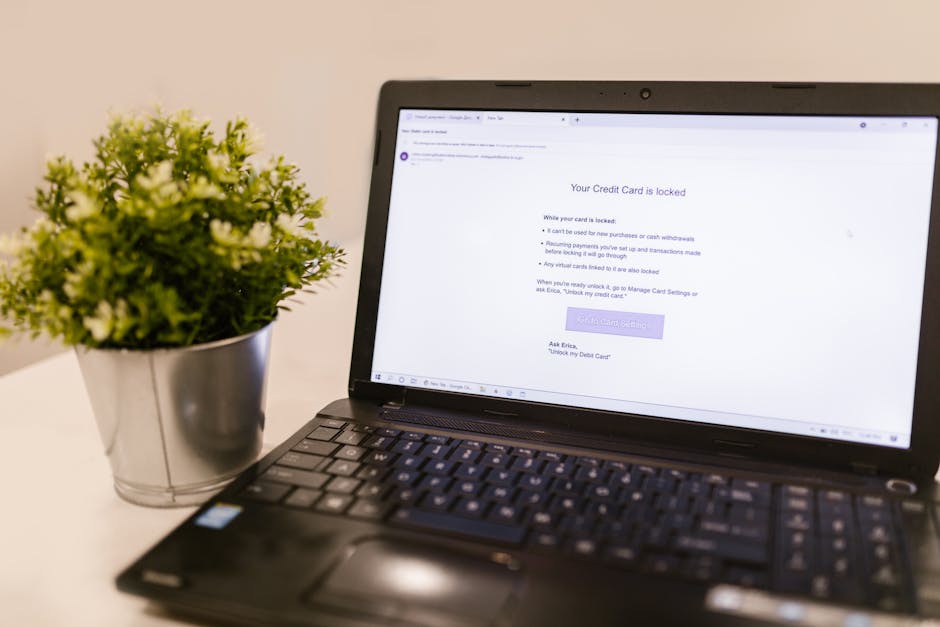
- Locked out of your account: If you can’t log in due to password changes, it could mean someone else is trying to access your account.
- Notifications of suspicious login attempts: Be alert to any alerts from your provider regarding login attempts from unfamiliar locations.
Conclusion
In conclusion, protecting your accounts starts with creating and maintaining strong passwords. By following these simple tips and remaining aware of potential threats, you can significantly reduce your risk of falling victim to cyberattacks. Remember, your digital safety is in your hands, so take charge of your password security today!