Introduction
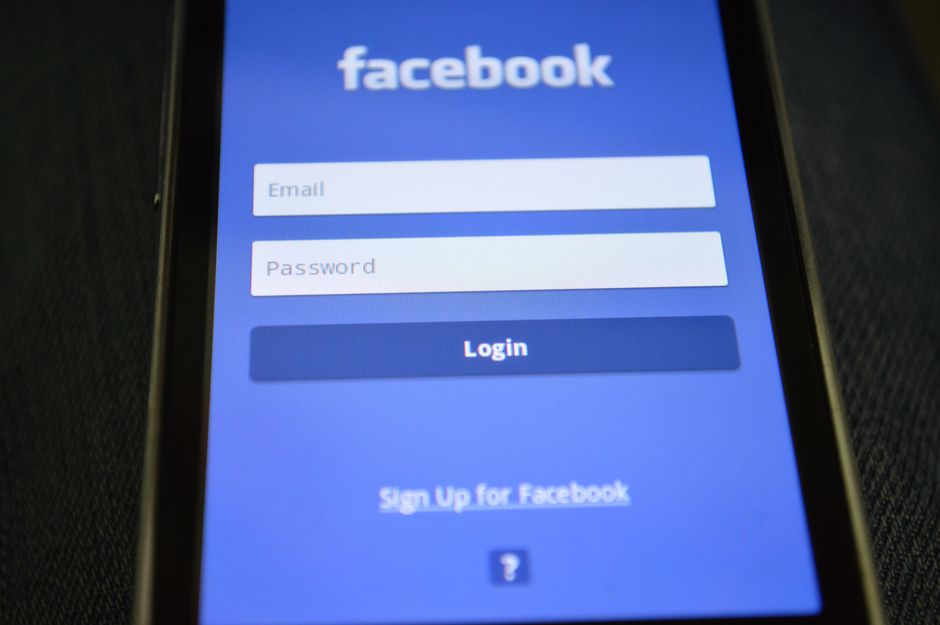
In today’s digital world, securing your online accounts is more important than ever. Every time you log in, you’re trusting that your password will keep your information safe. But did you know that many people still use weak passwords? In this blog post, we’ll explore why strong password security matters and how you can easily improve it.
Why Password Security is Crucial
Password security isn’t just a tech issue; it affects everyone. With so many of our lives stored online, from banking to social media, a weak password can lead to identity theft, loss of money, or damaging data breaches.
Consider this: over 80% of data breaches are linked to weak or stolen passwords. This shows how important it is to take password security seriously!
Common Password Mistakes
Many people make basic mistakes with passwords. Here are a few common ones:
- Using simple passwords like “123456” or “password”
- Reusing the same password across multiple sites
- Not changing passwords regularly
Each of these mistakes can open the door to cybercriminals, allowing them easy access to your accounts.
Creating Strong Passwords
So, how can you create a strong password? Here are some tips:
- Length Matters: Aim for at least 12 characters.
- Use a Mix: Combine uppercase letters, lowercase letters, numbers, and special symbols.
- Avoid Personal Information: Don’t use birthdays, names, or anything easily guessed.
For example, instead of “Samantha123,” try something like “33Pine!TreeDancing.” It’s longer, varied, and harder to crack.
The Importance of Unique Passwords
It’s vital to use a different password for every account. Think about what would happen if someone stole your password from one site. They could access your email, bank accounts, and more if you use the same password everywhere.
To manage this, consider using a password manager. These tools can help generate and store complex passwords securely, so you only have to remember one master password.
Regularly Updating Passwords
Changing your passwords regularly is another essential practice. Aim to update them every three to six months. This minimizes the damage if your password has been compromised.
Two-Factor Authentication: An Extra Layer of Security
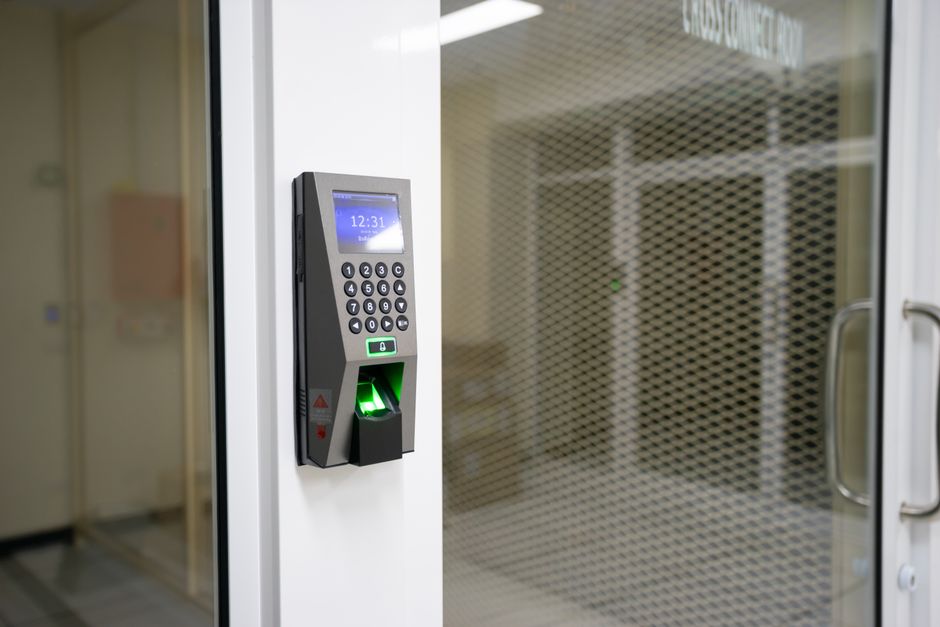
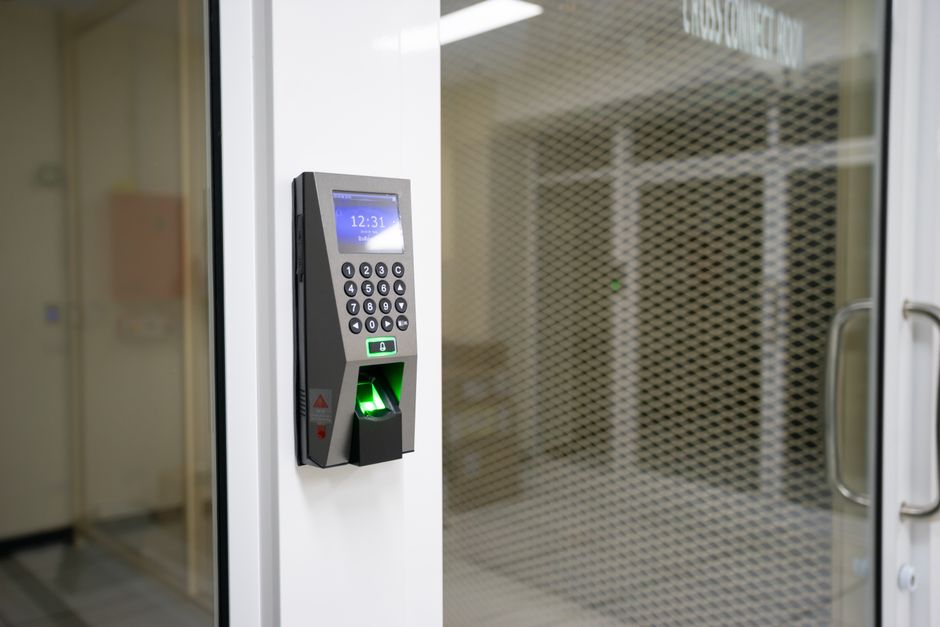
Another fantastic way to boost your password security is by enabling two-factor authentication (2FA). This means that, in addition to your password, you’ll need to provide another form of verification, like a code sent to your phone. 2FA adds an extra layer of security that can prevent unauthorized access, even if your password is stolen.
Recognizing Phishing Attempts
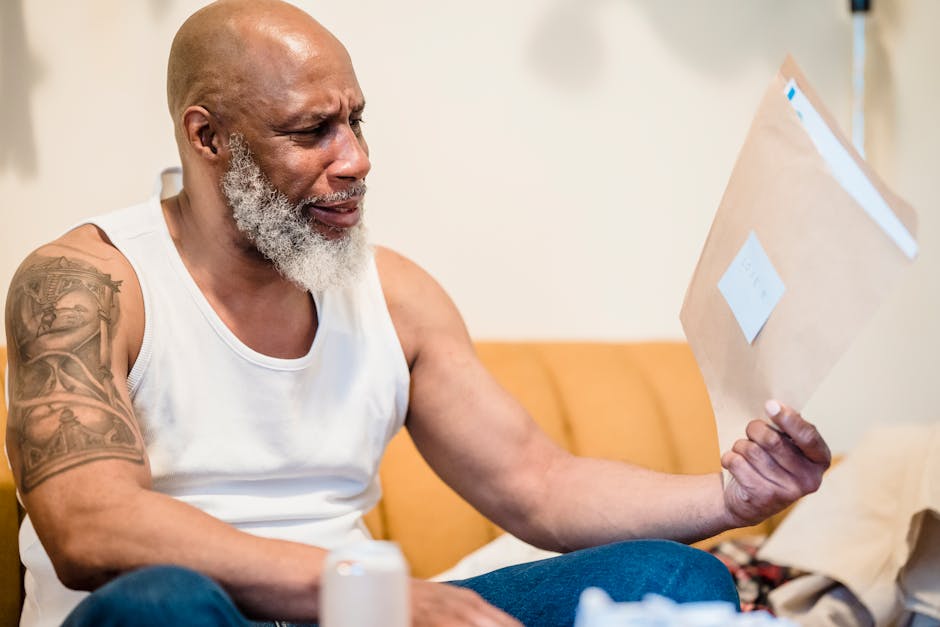
People are often tricked into giving away their passwords through phishing attacks. These are fraudulent attempts to gain your personal information, usually through deceptive emails or messages.
Some signs of phishing attempts include:
- Generic greetings like “Dear Customer”
- Misspellings or poor grammar
- Urgent language asking you to act quickly
If an email looks suspicious, don’t click any links! Instead, go directly to the website by typing the address into your browser.
Conclusion
Password security doesn’t have to be complicated. By following these simple tips—creating strong passwords, using different ones for each of your accounts, enabling two-factor authentication, and being aware of phishing—you can protect yourself online.
Remember, your **digital life is worth protecting**. Take these steps today to ensure your accounts are secure!