What Happened?
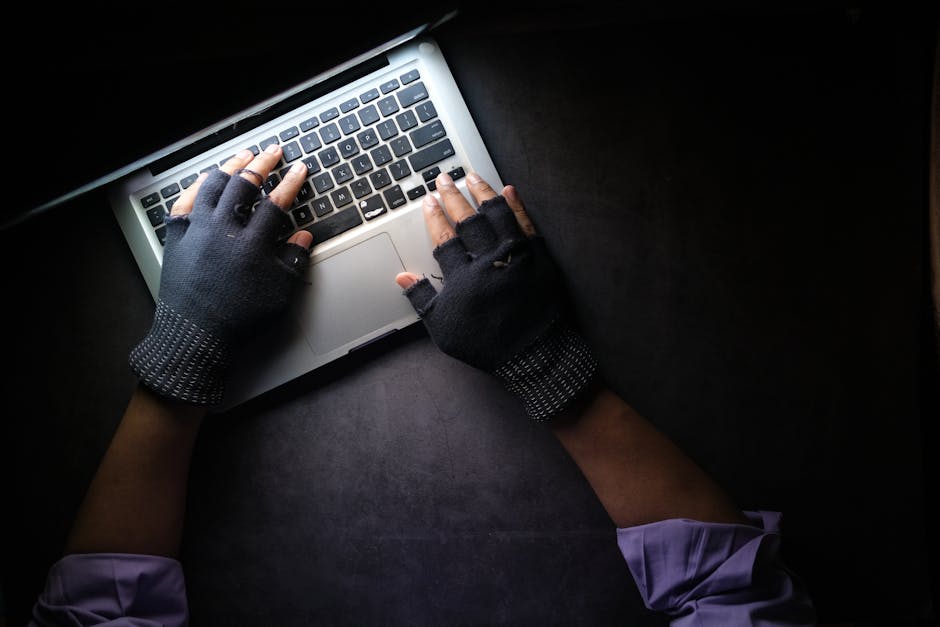
Recently, a significant cyber attack was reported that has left many people concerned about their personal information. A well-known company suffered a major data breach, meaning that sensitive information was stolen by hackers. This incident demonstrates that even large organizations can fall victim to cybercriminals.
Usernames, passwords, and even banking details of millions were compromised in this attack. It’s a stark reminder of how vulnerable we are in the digital age. Every time we share our personal information online, we face the risk of having it misused.
Why Should You Care?
You might wonder why this matters to you. Well, if your information is part of a data breach, it could lead to serious issues, such as identity theft or financial loss. Hackers can use your stolen details to access your accounts, make unauthorized purchases, or even take out loans in your name. Additionally, if your email address is exposed, you might receive phishing attempts aimed at tricking you into sharing even more personal information.
When cyber attacks like this happen, it affects not just the company involved but also every individual whose data is exposed. This means millions of people could find themselves at risk, dealing with the aftermath of a breach. The more we learn about these incidents, the better equipped we become to handle them.
How to Protect Yourself
- Change Your Passwords: If you suspect that your information might be compromised, start by changing your passwords immediately. Make sure to use strong, unique passwords for each of your accounts.
- Enable Two-Factor Authentication: Add an extra layer of security by using two-factor authentication whenever possible. This makes it harder for hackers to access your accounts.
- Keep an Eye on Your Accounts: Regularly monitor your bank and credit card statements for any suspicious activity. Early detection is crucial.
- Be Wary of Phishing Scams: If you receive emails or messages asking for sensitive information, be cautious. Always verify the source before clicking on any links.
- Use a Password Manager: Consider using a password manager to help you create and store strong passwords securely.
- Stay Informed: Follow news on cybersecurity threats to be aware of the latest scams and breaches. Knowledge is power!
Final Thoughts
Cybersecurity may seem like a complicated topic, but it’s essential for protecting your information. By understanding the risks and taking proactive measures, you can significantly reduce the chances of falling victim to cyber attacks. Remember, it’s not just about protecting yourself; it’s about staying vigilant and educating others too. Stay safe online!
Source: Original Article