
What Happened?
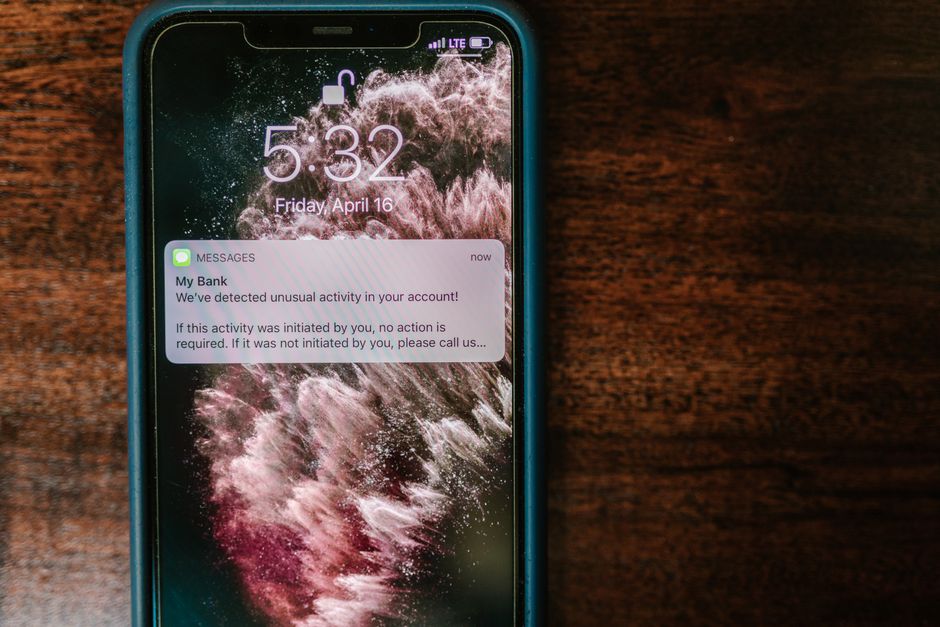
Recently, cybersecurity experts have raised alarms about a surge in email scams that are deceiving everyday people more effectively than ever before. These scams, often referred to as phishing attacks, are designed to trick you into revealing your personal information or clicking on harmful links. Scammers are getting smarter and more convincing, and their tactics are evolving.
In particular, the latest reports show that a new wave of phishing emails is circulating, disguising themselves as legitimate messages from popular services, banks, and even government agencies. The emails look incredibly authentic, which is what makes them especially dangerous. As a result, many victims may unknowingly hand over sensitive information to these fraudsters.
Why Should You Care?
It’s crucial to pay attention to these developments in the world of cybersecurity because we all rely heavily on our emails for communication, work, and even financial transactions. If you fall for one of these scams, you could face significant consequences, such as identity theft or losing money directly from your bank account.
Moreover, the implications extend beyond just individual harm. When enough people fall victim, it can lead to more sophisticated scams, making the internet a less safe place for everyone. This is why staying informed and vigilant can help everyone help combat these threats.
How to Protect Yourself
- Be Skeptical: Always question unsolicited emails. If it seems too good to be true, it probably is.
- Check the Sender: Look closely at the email address. Many scammers use addresses that look similar to trusted companies but have slight variations.
- Look for Red Flags: Poor grammar or strange requests in the email can be signals of a scammer at work.
- Don’t Click Links: Instead of clicking on links in emails, go directly to the website of the company mentioned. This way, you ensure you’re interacting with a legitimate site.
- Enable Two-Factor Authentication: Adding an extra layer of security to your email account makes it harder for scammers to access your information, even if they get your password.
- Report Suspicious Emails: If you receive an email that you suspect is a scam, report it to your email provider. This helps them take action against these scammers.
Final Thoughts
As email scams become more sophisticated, staying aware and cautious is essential. Cybercriminals are using advanced techniques to trick us into compromising our personal information. By being vigilant and following basic security practices, you can significantly reduce your risk of falling victim to these scams.
Remember, if you ever feel unsure about an email, double-check it. Taking a few moments to verify the legitimacy of a suspicious message can save you a lot of trouble in the long run. Let’s work together to stay safe online!
Source: Original Article