
Introduction
Have you ever wondered how secure your online accounts are? Every time you create a password, you are making a crucial decision that influences your digital safety. In a world where every day brings new cybersecurity threats, knowing how to craft a **strong password** is more important than ever.
Why Strong Passwords Matter
Passwords are the first line of defense against unauthorized access to your accounts. If someone gets hold of your password, they can easily access your personal information, steal your identity, or even empty your bank account.
A strong password acts as a fortress to keep your personal data safe. According to recent statistics, over 80% of data breaches involve weak or stolen passwords. This fact alone should make you reconsider how you create your passwords.
The Characteristics of a Strong Password
So what makes a password strong? Here are some important characteristics:
- Length: Aim for at least 12-16 characters. The longer the password, the harder it is for hackers to crack it.
- Complexity: Use a mix of uppercase letters, lowercase letters, numbers, and symbols. This randomness complicates things for anyone attempting to guess your password.
- Avoid Common Words: Do not use easily guessed words like “password,” “123456,” or your name. These are the first things a hacker will try.
- No Personal Information: Avoid using birthdays, anniversaries, or names of pets. If it’s something easily found online, avoid it.
Tips for Crafting Strong Passwords
Creating strong passwords can feel overwhelming, but it doesn’t have to be. Here are some tips to help you craft a memorable yet secure password:
- Use a Passphrase: Combine multiple unrelated words into a phrase. For example, “HappyElephant!BlueSky#23” is much stronger than “elephant123.”
- Substitute Characters: Replace letters with similar-looking numbers or symbols. For instance, you could use “@” instead of “a” or “3” instead of “e.”
- Use Password Managers: A password manager can generate and store your passwords securely. This way, you don’t have to remember each password; you just need to remember one master password.
- Regularly Update Passwords: Change your passwords regularly, especially after a data breach. This reduces the risk of ongoing unauthorized access.
Two-Factor Authentication: An Extra Layer of Security
If you want to take your security a step further, consider enabling **two-factor authentication (2FA)**. This feature adds an additional layer of protection by requiring not just your password but also a second piece of information, such as a text message code or an app notification, to access your accounts.
By activating 2FA, even if a hacker manages to steal your password, they would be unable to access your account without that second factor.
How to Remember Your Passwords
Creating strong passwords is only half the battle; remembering them can be quite challenging. Here are some strategies to help you keep track of your passwords:
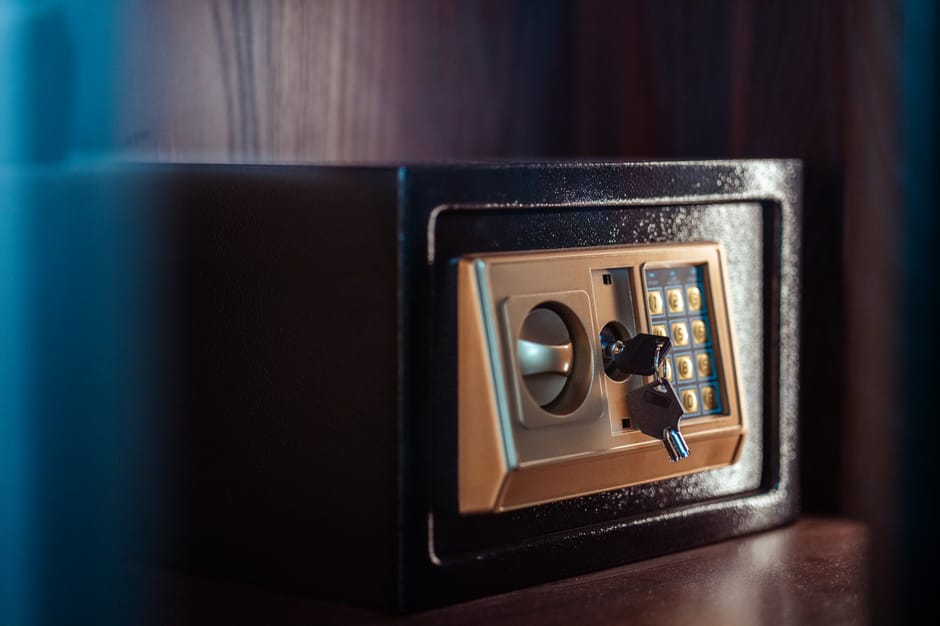
- Write Them Down (Securely): If you prefer writing down your passwords, keep the list in a secure location, like a safe.
- Create a Memory Hook: Use associations or stories that relate to the password to jog your memory.
- Use Patterns: If you have multiple accounts, create a pattern that incorporates site names or types while keeping the core of the password unique.
Conclusion
In today’s digital world, having strong passwords is crucial to protecting your **online identity** and personal information. By understanding the characteristics of strong passwords and employing clever strategies to create and manage them, you can significantly reduce your risk of falling victim to cybercrime.
Never underestimate the power of a good password. Take the time to create strong ones, consider using extra security measures like 2FA, and you’ll be on your way to a much safer online experience.