What Happened?
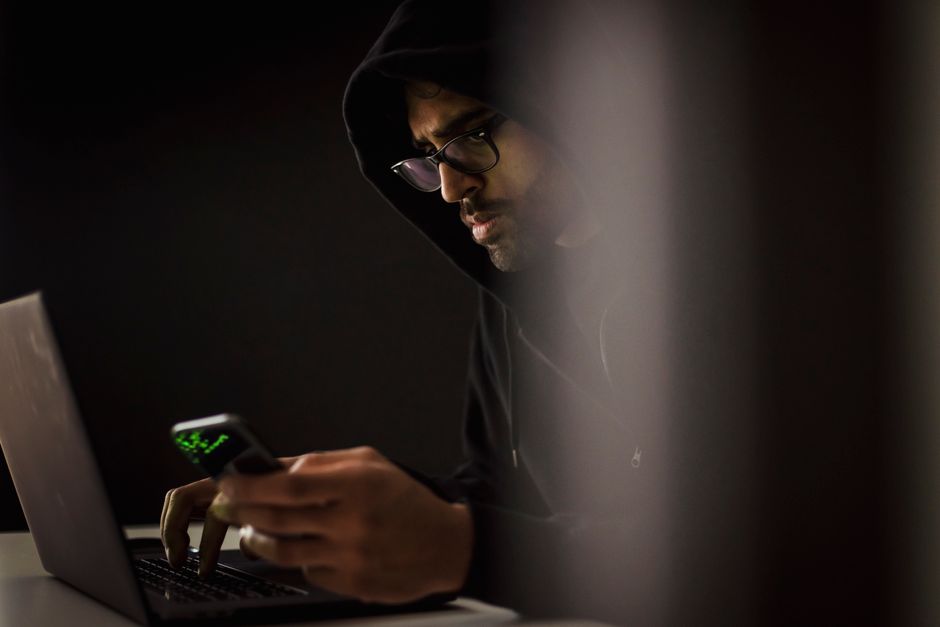
Recently, there has been a surge in the number of reports about sophisticated cyber attacks targeting individuals and small businesses. These attacks often focus on stealing personal information or financial details, putting many people’s data at risk. With technology becoming a bigger part of our lives, it’s crucial to understand how these threats work.
One common method used by cybercriminals is called ‘phishing,’ where they trick victims into revealing sensitive information by posing as trustworthy sources. For example, they might send an email that looks like it’s from your bank, urging you to click a link and log into your account. But instead of going to your bank’s website, you’ll end up on a fake page designed to steal your login information.
Why Should You Care?
Cyber attacks can happen to anyone, not just tech-savvy individuals. You don’t need to own a big company to be a target. In fact, many hackers specifically look for small businesses and personal accounts because they often have less protection.
When your personal data is compromised, it can lead to severe consequences. Identity theft, where someone impersonates you using your stolen information, can ruin your credit score and financial reputation. Additionally, recovering from such incidents can be time-consuming and stressful.
How to Protect Yourself
- Be Cautious with Emails: Always check the sender’s email address. Be suspicious of messages that ask for personal information or direct you to a website.
- Use Strong Passwords: Create complex passwords that include letters, numbers, and symbols. Make sure to change them regularly and avoid using the same password across multiple accounts.
- Enable Two-Factor Authentication: Whenever possible, activate this feature on your accounts. It adds an extra layer of security by requiring a second form of identification aside from your password.
- Keep Your Software Updated: Regularly update your computer, smartphone, and apps. Most updates include security improvements that protect against new threats.
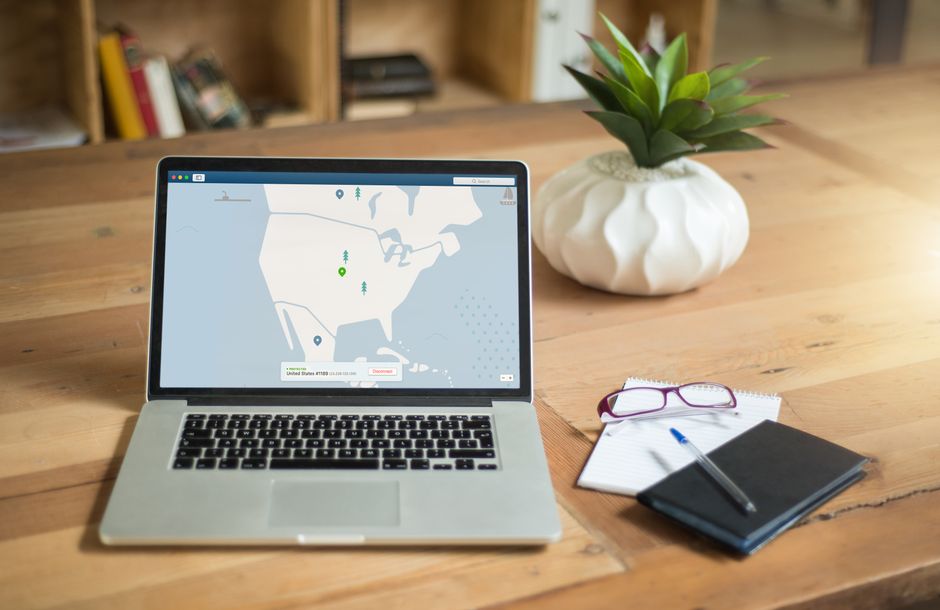
- Be Wary of Public Wi-Fi: Avoid accessing sensitive information while connected to public Wi-Fi. If you must use public networks, consider using a Virtual Private Network (VPN) for added security.
- Regularly Monitor Your Accounts: Keep an eye on your bank and credit card statements. Report any suspicious activity immediately.
Final Thoughts
The rise in cyber threats is alarming, but by taking proactive steps, you can protect your personal information. Remember, being aware of the risks and knowing how to avoid them is the first line of defense against cybercrime. Stay informed and vigilant, and you can help safeguard your data against these modern-day threats.
Source: Original Article