Introduction
In today’s digital world, we do almost everything online. From shopping to banking, our personal and financial information is constantly on display. One question arises: how safe are we?
The answer isn’t straightforward, but a tool called a Virtual Private Network, or VPN, can significantly enhance your online privacy. In this blog post, we’ll explore what a VPN is, how it works, and why you should consider using one.
What is a VPN?
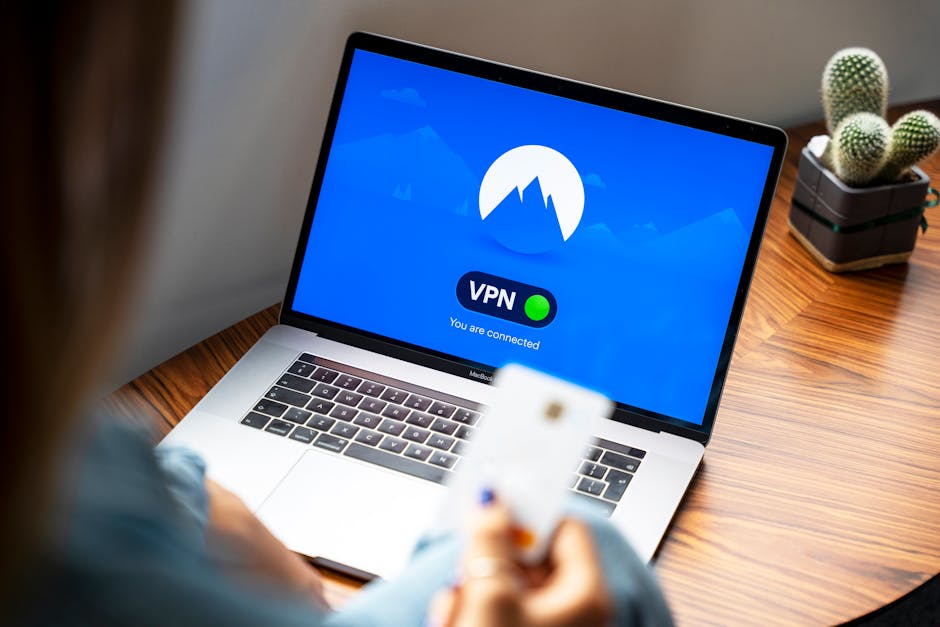
A VPN is like a secure tunnel that connects your device to the internet. It hides your online activity by encrypting your data and masking your IP address. This means that anyone trying to snoop on your internet usage will find it challenging to see what you are doing.
Think of it as a cloak that keeps you hidden from prying eyes, like hackers, government snoopers, or even your Internet Service Provider (ISP).
How Does a VPN Work?
When you connect to a VPN, your device creates a secure connection to a VPN server. Here’s a simple breakdown of the process:
- Connection Establishment: You log into the VPN application and select a server to connect to.
- Data Encryption: The VPN encrypts your data before sending it over the internet. This encryption keeps your information safe from outsiders.
- IP Address Change: Once connected, your IP address is replaced with that of the VPN server. This way, your actual location is hidden.
- Data Transmission: Your internet traffic travels through this secure tunnel, making it difficult for anyone to intercept.
Why Should You Use a VPN?
VPNs offer several benefits that help protect your online privacy. Here are a few reasons why you should consider using one:
- Enhanced Security: VPNs encrypt your data, making it much more challenging for hackers to steal your information, especially on public Wi-Fi networks.
- Privacy Protection: By masking your IP address, a VPN prevents websites and advertisers from tracking your online activities.
- Access to Restricted Content: Some content, like certain streaming services or websites, may be blocked in your region. A VPN allows you to bypass these restrictions.
- Safe Remote Work: For those working from home, a VPN provides a secure connection to your company’s network, protecting sensitive data.
Common Misconceptions About VPNs
Even though VPNs are beneficial, several myths surround their usage. Let’s clear a few up:
- VPNs are only for tech-savvy users: Not true! Modern VPN applications are user-friendly and designed for everyone.
- A VPN makes you completely anonymous: VPNs enhance privacy but don’t make you invisible. You still need to practice safe browsing habits.
- VPNs are illegal: Using a VPN is perfectly legal in most countries. However, using one for illegal activities is, of course, against the law.
Choosing the Right VPN
Not all VPNs are created equal. Here are some tips for picking the best one for your needs:
- Look for Strong Encryption: Ensure the VPN uses robust encryption protocols to keep your data safe.
- No-Log Policy: Choose a VPN that doesn’t keep logs of your internet activity. This way, your online behavior stays private.
- Device Compatibility: Ensure that the VPN can be used on all your devices – computers, tablets, and smartphones.
- Customer Support: Good customer service is essential in case you run into problems.
Conclusion
As we engage more with the internet for everyday tasks, understanding how to protect our privacy is vital. A VPN can offer a layer of security that makes your online experiences safer and more private.
Consider understanding how a VPN works and if it fits into your internet habits. In an age where data breaches and cyber threats are common, being proactive about your online security is a wise choice.