What Happened?
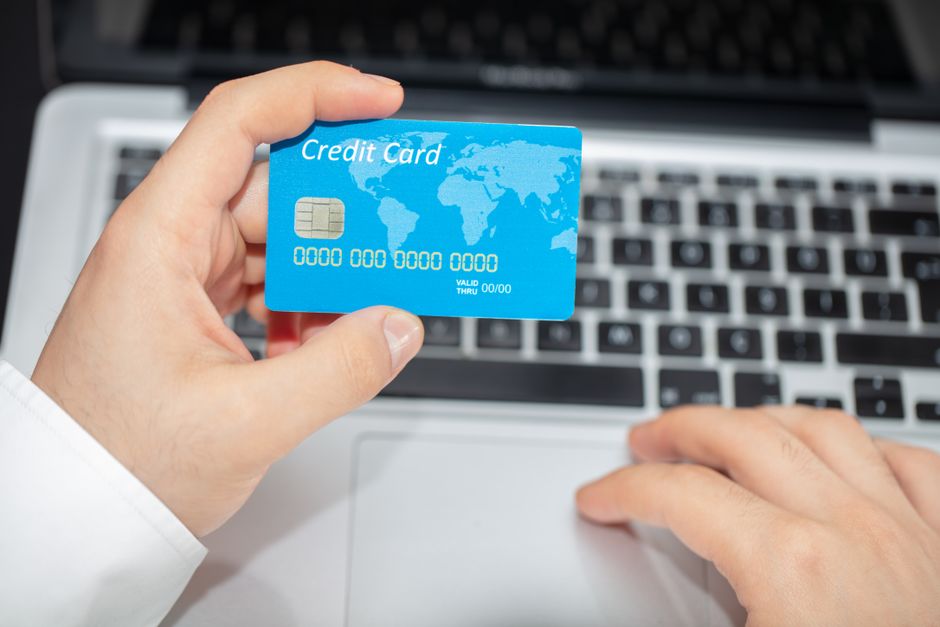
Recently, a prominent online shopping platform experienced a serious data breach that exposed the personal information of millions of customers. This incident sent shockwaves through the internet because it highlighted how vulnerable our personal data can be, even on trusted websites. The breach revealed not only names and addresses but also email accounts and encrypted passwords.
This situation has left many wondering what they can do to protect their data. With more people shopping online than ever, it’s critical to understand the risks involved and how to stay safe.
Why Should You Care?
You might be thinking, ‘I don’t have anything to hide!’ or ‘I don’t do anything illegal!’ But the reality is that everyone’s data is valuable. Cybercriminals can use your personal information for identity theft, financial fraud, or worse.
Here are a few reasons why you should care:
- Identity Theft: Thieves can use your personal information to open accounts in your name, which can ruin your credit and finances.
- Financial Loss: If your data is compromised, it could lead to unauthorized transactions or drained bank accounts.
- Privacy Invasion: Even your personal preferences can be tracked, leading to intrusive advertising and spam.
How to Protect Yourself
So, what can you do to protect yourself from potential threats? It might seem overwhelming, but taking a few simple steps can make a big difference:
- Use Strong Passwords: Create unique passwords for each of your accounts. A good password is long and consists of a mix of letters, numbers, and symbols.
- Enable Two-Factor Authentication: This extra layer of security requires not only your password but also a second form of verification, like a text message to your phone.
- Regularly Monitor Your Accounts: Keep an eye on your bank statements and online accounts. If you see something suspicious, act quickly.
- Be Wary of Phishing Scams: Always check the sender’s email address and be suspicious of links in emails or messages from unknown sources.
- Use a Password Manager: A password manager can help you organize your passwords and remember them for you, making it easier to maintain strong, unique passwords.
Final Thoughts
In today’s digital world, being proactive about your online safety is more important than ever. The recent data breach serves as a reminder of how vulnerable our information can be, even from big online retailers. By following good security practices and staying informed, you can protect yourself and your valuable personal data.
Don’t wait for a breach to happen before you take action. Understanding the potential risks and implementing some preventive measures will help you navigate the online shopping landscape with confidence and peace of mind!
Source: Original Article