
What Happened?
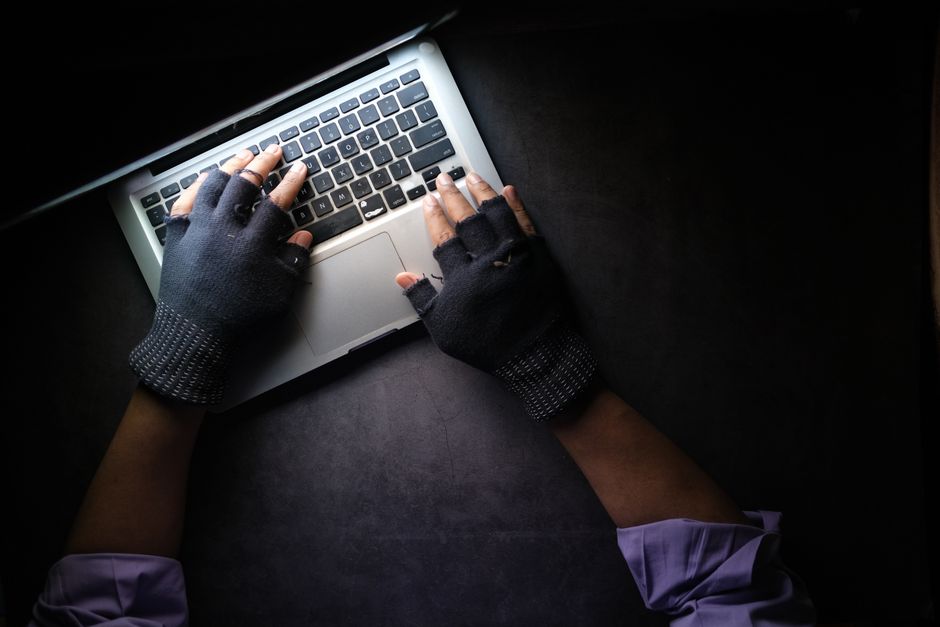
Recently, a major data breach affected millions of users as hackers gained unauthorized access to personal information stored in various accounts. This incident serves as a reminder that our online lives are more vulnerable than we might think.
The breach involved sensitive details, including usernames, passwords, and even email addresses. Such information can be gold for cybercriminals, enabling them to impersonate individuals and access connected accounts.
Why Should You Care?
Everyday people often underestimate the risks associated with using the internet. Most of us think that our personal information is safe, but this incident highlights the reality that breaches can happen to anyone.
If your data gets into the wrong hands, the consequences can be severe, including identity theft, financial loss, and serious privacy violations. Here’s why you should pay attention:
- **The Impact of Identity Theft**: If someone steals your identity, they can open credit cards in your name or even make purchases without your knowledge.
- **Financial Consequences**: Cybercriminals can access your bank accounts or drain your savings before you even realize what’s happening.
- **Emotional Stress**: The worry and stress that come from having your personal information compromised can take a toll on your mental health.
How to Protect Yourself
While it may feel overwhelming, there are simple steps you can take to safeguard your information. Here are a few tips to enhance your online security:
- **Use Strong Passwords**: Create passwords that are hard to guess. Combine letters, numbers, and symbols. Avoid using easily obtainable info, like your birthday.
- **Enable Two-Factor Authentication (2FA)**: Whenever possible, add that extra layer of security. 2FA requires not just your password but also a second form of identification, like a code sent to your phone.
- **Use a Password Manager**: These tools can help you generate and store complex passwords securely, so you don’t have to remember them all.
- **Regularly Check Bank Statements**: Keep an eye on your financial accounts for any unauthorized transactions or unusual activity.
- **Be Wary of Phishing Scams**: Always verify the source of emails or messages requesting personal info. If something seems off, it probably is.
Final Thoughts
Cybersecurity might sound complicated, but protecting yourself online doesn’t have to be. By staying informed and taking a few proactive steps, you can significantly reduce your risk of falling victim to cybercrime.
Remember, the internet is a fantastic resource, but it also requires us to be vigilant. Don’t wait until something bad happens—start taking these precautions today to secure your online presence!
Source: Original Article