
Introduction
In today’s digital age, our online lives are more exposed than ever. With just a few clicks, anyone can access our personal information. This is where a VPN, or Virtual Private Network, comes into play. Have you ever wondered how a VPN can protect you? Let’s dive in!
What Is a VPN?
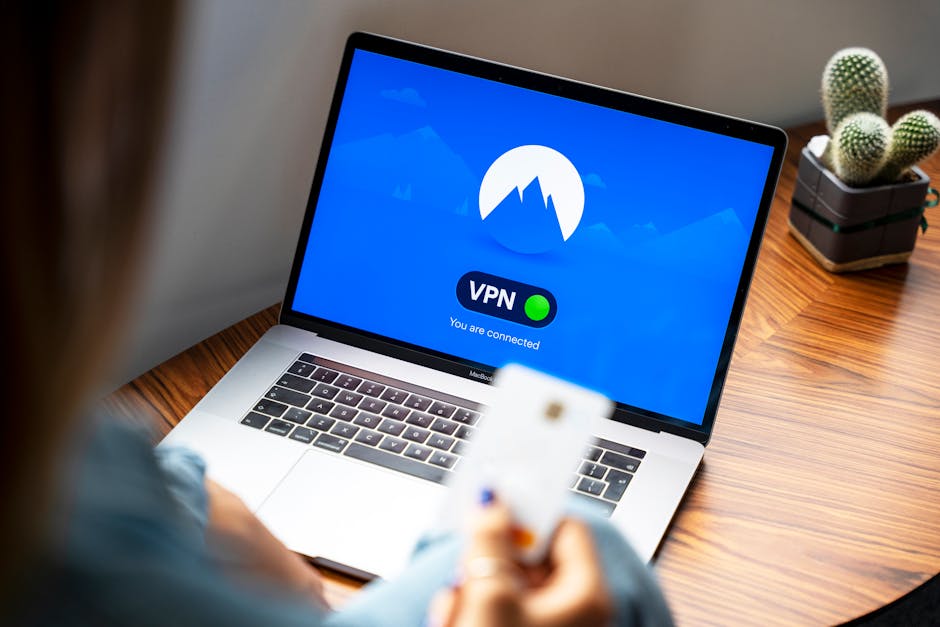
A VPN is a tool that helps secure your internet connection. It creates a private network from a public internet connection. This means that your data is encrypted and your online activities are hidden from prying eyes.
How Does It Work?
When you connect to a VPN, your internet traffic is rerouted through a server run by the VPN provider. This process changes your IP address, making it appear as if you are in a different location. Not only does this protect your data, but it also allows you to access content that may be restricted in your region.
Why Use a VPN?
There are several reasons why you might want to consider using a VPN:
- Enhanced Security: A VPN encrypts your data, keeping it safe from hackers and cybercriminals.
- Online Privacy: With a VPN, your internet service provider (ISP) can’t track your online activities.
- Access to Restricted Content: A VPN allows you to bypass geographic restrictions, giving you access to shows and websites that may be unavailable in your country.
- Safer Public Wi-Fi: Public Wi-Fi networks can be risky. A VPN helps secure your connection when using these networks.
Common Myths About VPNs
Despite their benefits, there are some myths about VPNs that can confuse people. Let’s clear a few of them up!
Myth 1: VPNs Are Only for Tech Experts
Many people think that using a VPN is complicated and only for tech-savvy individuals. The truth is, most VPN services are extremely user-friendly. You typically just download an app, log in, and connect!
Myth 2: VPNs Make Your Internet Slow
It’s true that some VPNs might slow down your internet speed. However, many reputable services are optimized for speed and will not significantly affect your browsing experience.
Myth 3: Free VPNs Are Just as Good
While free VPNs may sound attractive, they often compromise your security and privacy. A better option is to choose a reputable paid VPN service that invests in better technology and customer service.
Choosing the Right VPN
When looking for a VPN, there are several factors to consider:
- Security Features: Look for strong encryption standards and a no-logs policy.
- Performance: Check reviews to see how well the VPN performs in terms of speed and reliability.
- Customer Support: Good customer support can make a huge difference, especially if you run into issues.
- Price: Consider your budget but remember that the cheapest option isn’t always the best.
Setting Up a VPN
Once you’ve selected a VPN, setting it up is usually straightforward. Here are the basic steps:
- Sign up for your chosen VPN service.
- Download the app or software for your device.
- Install it by following the on-screen instructions.
- Log in with your credentials and choose a server location.
- Connect and enjoy safer browsing!
Conclusion
In an increasingly connected world, protecting your online privacy is essential. A VPN is an effective way to safeguard your personal information and browse the internet without fear. Don’t wait until it’s too late—consider using a VPN today and enjoy a safer, more private online experience!