
What Happened?
Recently, a troubling incident was reported where a popular online service faced a major data leak. This breach compromised the personal information of millions of users, raising significant concerns about privacy and security. Such incidents are a reminder that even the biggest companies can fall victim to cybercriminals.
The leaked information includes sensitive details like names, email addresses, and even password information. When personal data gets into the wrong hands, it can lead to a variety of malicious activities, including identity theft and unauthorized access to accounts.
Why Should You Care?
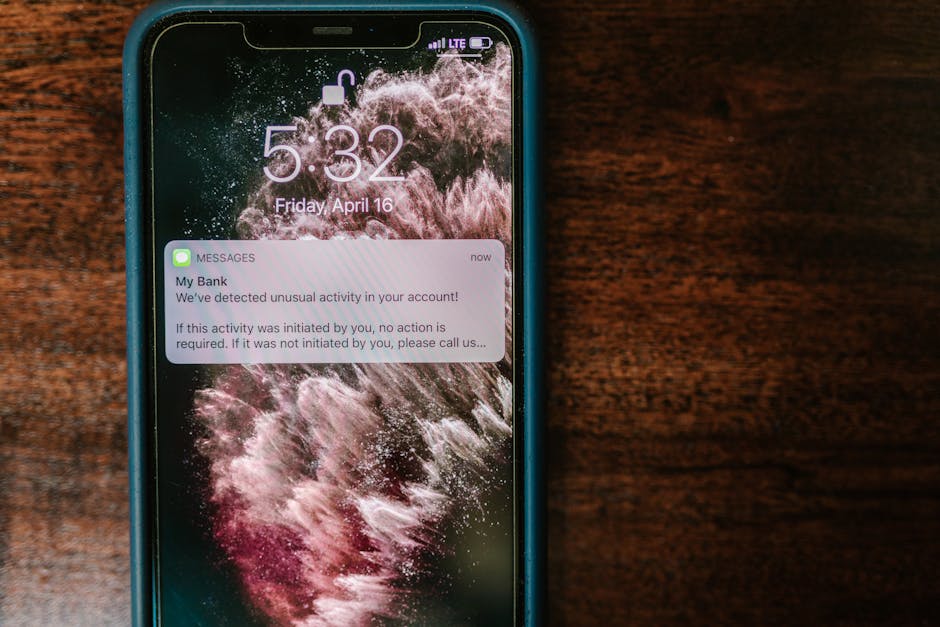
So, why is this news important to you? Well, if you use the affected service, your personal information could be at risk. It’s not just about protecting your data; it’s about safeguarding your entire online identity. Imagine someone accessing your bank accounts, social media, or other important services using your stolen information!
Moreover, this incident serves as a reminder of the potential vulnerabilities we face in our digital lives. Here are a few reasons it should grab your attention:
- **Your Information is Valuable**: Cybercriminals are always looking for personal data that they can sell or use for fraud.
- **Rising Identity Theft**: The more data that gets leaked, the higher the chances of identity theft incidents.
- **Trust in Services**: You might think your data is safe with the companies you use, but breaches can happen to anyone.
How to Protect Yourself
Feeling a little anxious? Don’t worry! There are proactive steps you can take to protect your personal information and reduce risks. Here are some helpful strategies:
- Use Strong Passwords: Create complex passwords and avoid using easily guessable information like birthdays. Consider using password managers to keep track of them.
- Enable Two-Factor Authentication: This adds an extra layer of security. It requires not just your password but also a second piece of information that only you have, like a code sent to your phone.
- Monitor Your Accounts: Regularly check your bank and credit card statements, as well as your online accounts, for any unauthorized transactions.
- Be Wary of Phishing Attempts: Don’t click on suspicious links in emails or texts, and verify the source before providing any personal information.
- Soft Delete Old Accounts: If you no longer use certain online services, consider deleting your accounts to reduce your digital footprint.
Final Thoughts
Cybersecurity is a shared responsibility, and staying informed is your best defense. The recent data breach highlights how vulnerable we can be, but it also empowers us with the knowledge to act. By taking simple yet effective measures to protect your personal data, you can significantly reduce your risk of falling victim to cyber threats.
Remember, staying safe online is an ongoing effort that requires vigilance. Keep yourself educated, update your security practices, and don’t hesitate to take action if you suspect your information may be compromised. Together, we can create a safer digital environment for everyone!
Source: Original Article