What Happened?
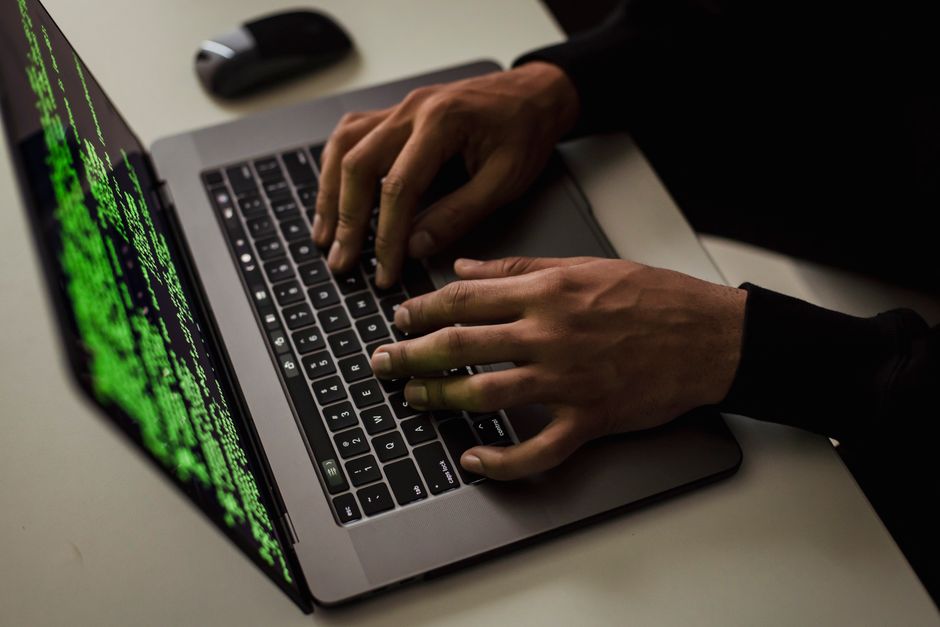
In recent news, a serious cyberattack struck various hospitals, causing major disruptions to their operations. This attack targeted the healthcare system, which is vital for everyone, especially in times when medical care is most needed. Hackers managed to infiltrate hospital networks, locking up important data and making it incredibly difficult for medical staff to do their jobs.
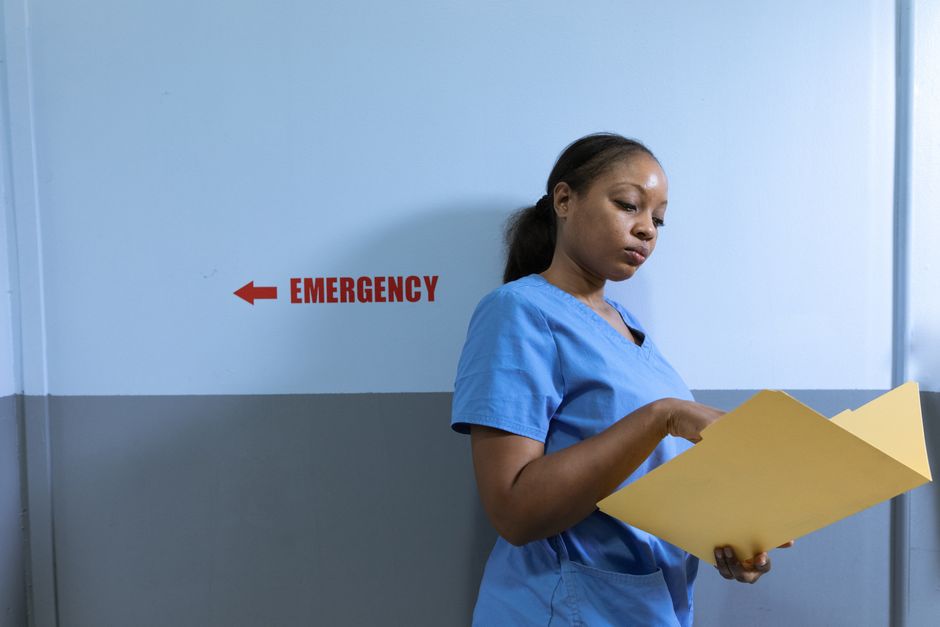
Not only did this create chaos for healthcare workers, but it also put patients’ safety at risk. Imagine trying to get life-saving treatment, but the hospital’s computers are down because of a cyberattack. That’s exactly what happened during this incident!
Why Should You Care?
You may wonder why a cyberattack on hospitals should matter to you personally. Well, the truth is, these kinds of attacks can affect everyone. Hospitals hold sensitive information about you and your family, including medical records and personal details. When hackers break into these systems, your information could be at risk.
Moreover, if hospitals cannot function properly due to these cyberattacks, it can delay critical medical procedures and emergency care. In a world where we rely heavily on technology, the security of health services is something that should concern each and every one of us.
How to Protect Yourself
- Keep Your Personal Information Safe: Be careful when sharing your personal information online. Always verify that the website you are on is secure before entering any sensitive details.
- Use Strong Passwords: A strong password might seem basic, but it’s essential. Make sure your passwords are long and use a mix of letters, numbers, and special characters. Avoid using easily guessable information like birthdays.
- Enable Two-Factor Authentication: Whenever possible, use two-factor authentication on your accounts. This adds an extra layer of protection by requiring a second form of identification before accessing your accounts.
- Stay Updated: Make sure to keep your devices and software updated. Updates often include important security patches that protect against the latest threats.
- Be Wary of Phishing Scams: Be cautious about emails or messages that ask for personal information. Hackers often use these tricks to gain access to your data.
Final Thoughts
Cyberattacks on hospitals highlight the importance of cybersecurity in our everyday lives. As technology continues to advance, so do the threats that come with it. By understanding the risks and taking proactive steps, you can help protect yourself and your loved ones. Remember, a few simple actions can make a world of difference when it comes to securing your personal information and ensuring that critical services remain safe and operational.
Source: Original Article