
What Happened?
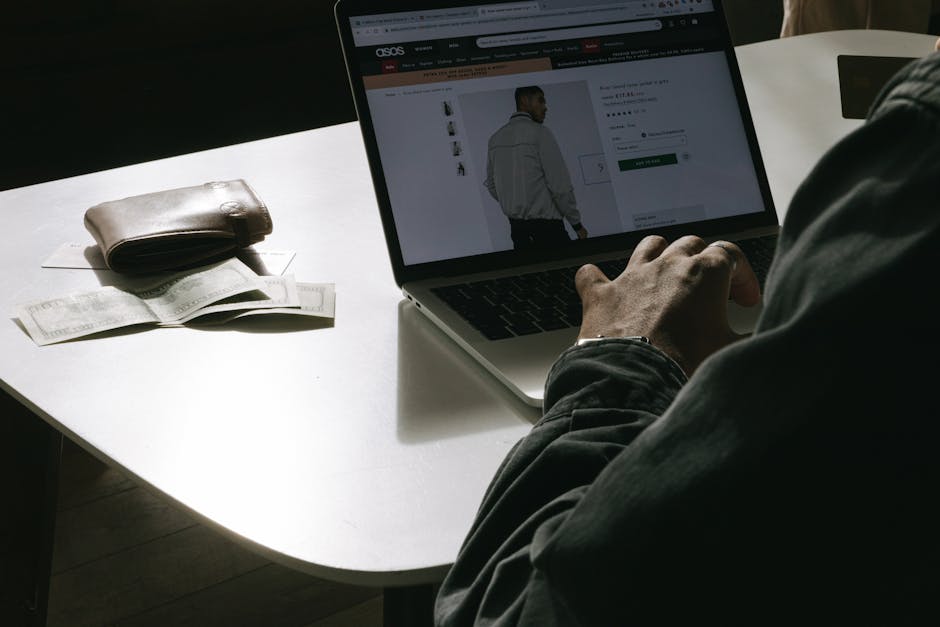
Recently, a major security issue was discovered that affects millions of people. It turns out that some of the most popular websites are not as safe as they claim to be. This vulnerability could allow hackers to steal sensitive information like passwords and credit card details while you’re browsing.
This revelation has sent shockwaves through the online community. Many users might feel uneasy about the websites they trust. It’s like finding out that your favorite coffee shop has a hidden problem in the kitchen that could affect your health.
Why Should You Care?
Understanding these kinds of problems is crucial because they can happen to anyone. Many people think that hacking only happens to large companies or celebrities, but that’s not true. If you use the internet, you’re a potential target.
Every time you enter personal information online, you are at risk. This exposure can lead to identity theft, where someone impersonates you and can ruin your financial health. The thought alone is scary!
Here are a few reasons why this issue should grab your attention:
- Your Data is Valuable: Hackers are always on the lookout for your data. They can sell it in dark web markets for a profit.
- Online Transactions are Everywhere: We shop, bank, and communicate via the internet now more than ever, making it essential to protect ourselves.
- It Could Happen to Anyone: Just because you’re not a public figure doesn’t mean you’re safe. Hackers can target anyone, and they often do!
How to Protect Yourself
The good news is that there are steps you can take to shield yourself from these threats. Here are some simple tips to help you stay safe while browsing the web:
- Use Strong Passwords: Make sure your passwords are complex and unique for every account. Consider using a password manager to keep track of them.
- Enable Two-Factor Authentication: This extra layer of security requires not just your password but also a code sent to your phone. It adds a significant barrier for hackers.
- Keep Software Up to Date: Regular updates for your browser, operating system, and apps help patch security holes. Always check for the latest versions.
- Be Wary of Suspicious Links: If something looks fishy or too good to be true, avoid clicking on it. Always verify the source before you engage.
- Use Secure Websites: Look for URLs that start with “https://” instead of just “http://.” The ‘s’ means it’s secure.
Final Thoughts
This recent security discovery is a reminder to all internet users about the importance of being vigilant online. Just because a website looks trustworthy doesn’t mean it is altogether safe. Staying informed and proactive can greatly reduce your risk of becoming a victim of online crime.
Make sure to practice safe browsing habits and remain aware of potential threats. With every click, we take a step into the digital world, and it’s better to be safe than sorry!
Source: Original Article