
What Happened?
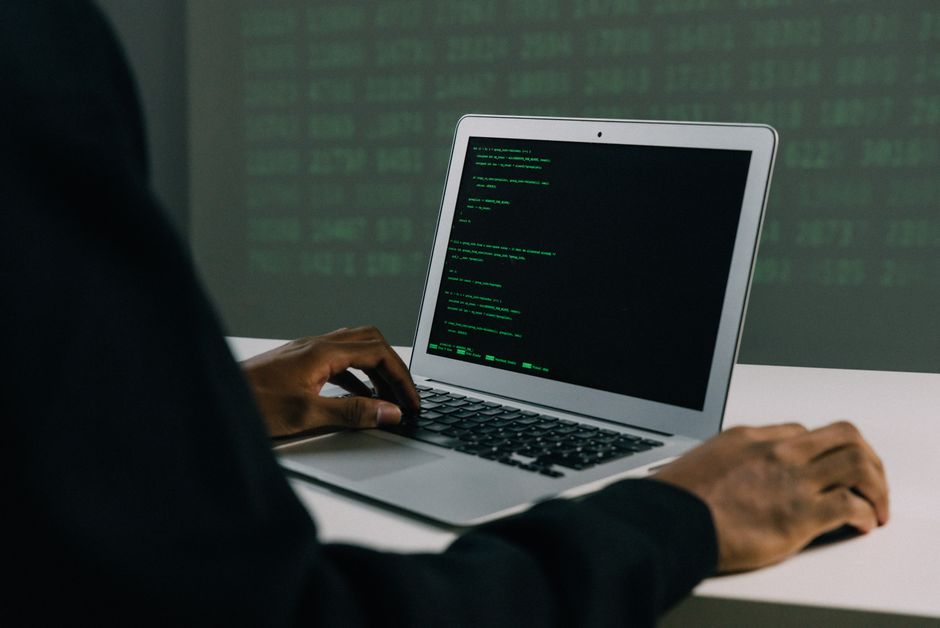
Recently, there was a wave of cyberattacks that targeted several well-known retailers. These attacks aimed to steal sensitive customer information, including credit card details and personal data. Cybercriminals used sneaky methods to breach the security systems of these retailers, leaving many shoppers vulnerable.
While we often hear about big data breaches, this incident stands out because it involved businesses we all know and rely on. Consumers were likely caught off-guard, and many weren’t aware that they were at risk while shopping online or in-store.
Why Should You Care?
You might be wondering, why does this matter to you? Well, anytime a retailer suffers a cyberattack, it can potentially affect millions of their customers. Your personal data, including your name, email address, and financial information, may be at stake.
These kinds of attacks can lead to identity theft and financial loss. Imagine realizing that someone has stolen your credit card information or created an account in your name without your permission! This can be a headache and can take time and effort to resolve.
Furthermore, the consequences of such breaches go beyond just the immediate financial damage. They can shake your trust in these brands and make you hesitant to shop online. It’s essential to understand that these risks are real, and knowledge is your best defense.
How to Protect Yourself
Here are some simple steps you can take to safeguard your personal information when shopping:
- Use Strong Passwords: Always create unique passwords for different accounts. A strong password is your first line of defense. Combine uppercase and lowercase letters, numbers, and symbols.
- Enable Two-Factor Authentication: Whenever possible, turn on two-factor authentication (2FA). This requires not just your password, but also a second form of verification, making it much harder for attackers.
- Keep Your Software Updated: Always keep your computer, smartphone, and apps updated. Software updates often include important security patches that protect against new threats.
- Monitor Your Accounts: Regularly check your bank and credit card statements for any unusual transactions. Promptly report anything suspicious to your financial institution.
- Shop Securely: When shopping online, look for URLs that begin with “https://” and a padlock symbol. These indicate a secure connection, which means your data is safer during transactions.
Final Thoughts
Cyberattacks are evolving, and it’s crucial to stay informed about the latest threats. The recent attacks on retailers serve as a reminder that we must remain vigilant as consumers. By understanding the risks and taking proactive steps to protect yourself, you can shop with more confidence.
Education is key! Be aware of how cybercriminals operate and the techniques they use. Stay informed and take the necessary precautions to keep your information safe. Remember, it’s always better to be safe than sorry!
Source: Original Article