What Happened?
Recently, a significant event in the world of cybersecurity has caught the attention of experts and everyday people alike. A major company was targeted by a phishing attack, showcasing just how vulnerable we can be online. Phishing is a sneaky way that cybercriminals trick people into providing sensitive information, and this incident serves as a reminder of the dangers lurking on the internet.
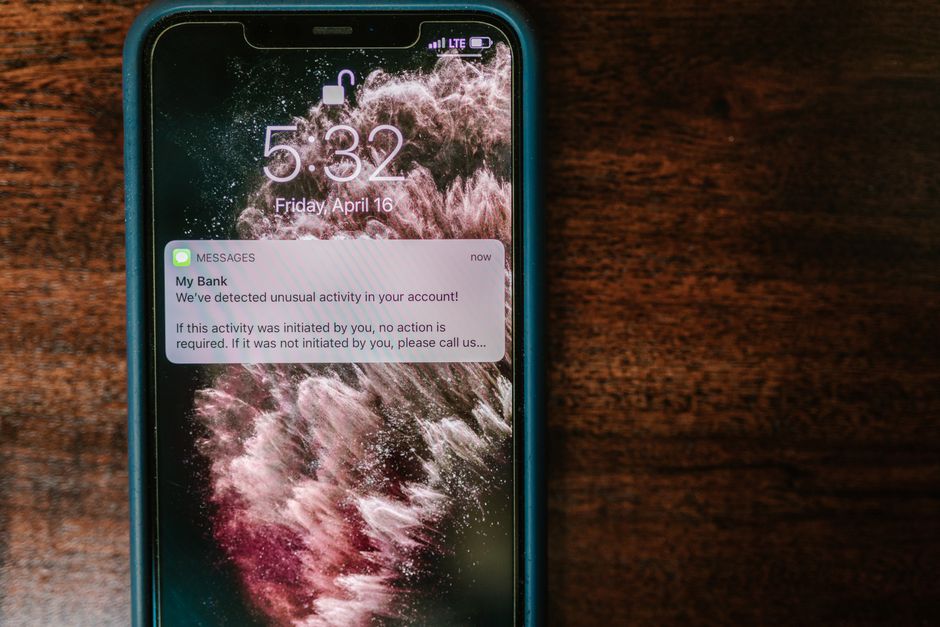
The attackers behind the phishing scheme sent out emails that looked incredibly legitimate. These emails often appeared to come from trusted sources, making them hard to spot for the average person. When unsuspecting users clicked on the links in these emails, they were taken to a fake website designed to steal their login information.
Why Should You Care?
You might wonder why incidents like this are important to you. Cybersecurity isn’t just a concern for tech companies or government agencies; it affects everyone who uses the internet. That could be you, your friends, or your family members. Understanding these threats is the first step in protecting yourself.
The reality is that cybercriminals are constantly becoming more sophisticated. The tools they use are getting better, and their tactics are evolving. One small mistake, like clicking on a link in a suspicious email, can lead to serious consequences, including identity theft or financial loss.
Additionally, our lives are increasingly digital. We share a lot of personal information online—bank details, social security numbers, and much more. When hackers gain access to this information, it can lead to devastating outcomes for the victims involved.
How to Protect Yourself
- Think Before You Click: Always pause and think critically about the emails you receive. If something seems off or too good to be true, don’t click on any links.
- Verify the Source: If you receive a suspicious email from a company, contact them directly using a phone number or website you trust to verify the information.
- Use Two-Factor Authentication: This adds an extra layer of security by requiring a second form of verification before allowing access to your accounts.
- Keep Software Updated: Regularly update your device’s operating system and applications. These updates often include important security fixes.
- Educate Yourself: Stay informed about common scams and phishing tactics. The more you know, the less likely you are to fall for these traps.
Final Thoughts
Cybersecurity may seem like a complex issue, but it’s one that we all need to take seriously. The threat of phishing attacks is real, and as technology evolves, so do the methods employed by cybercriminals. By being vigilant and informed, you can significantly decrease your risk of falling victim to these attacks.
Always remember that staying safe online is not just about having the right technology; it’s also about having the right mindset. Let’s all commit to being more careful with our online interactions. Together, we can make the internet a safer place for everyone.
Source: Original Article